Tamil Issue and Ethnic Conflict — Latest Development
Recent development on Tamil Issue and Ethnic Conflict. Review source articles.
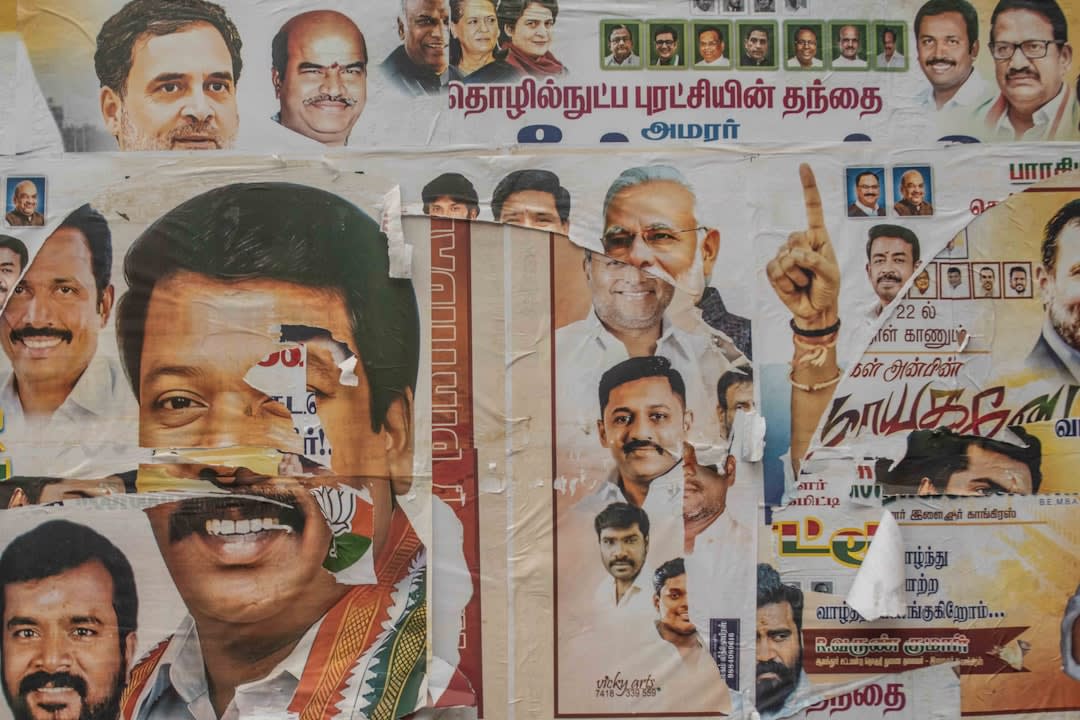
- •The Tamil Nadu Assembly Elections have yielded a surprising outcome, with the newly formed Tamilaga Vettri Kazhagam (TVK) sweeping all but two of the 16 assembly constituencies in the state's capital, Chennai.
- •This includes the defeat of Chief Minister M.K.
- •Stalin from the Kolathur constituency at the hands of TVK's VS Babu.
The Tamil Nadu Assembly Elections have yielded a surprising outcome, with the newly formed Tamilaga Vettri Kazhagam (TVK) sweeping all but two of the 16 assembly constituencies in the state's capital, Chennai. This includes the defeat of Chief Minister M.K. Stalin from the Kolathur constituency at the hands of TVK's VS Babu. The difference in vote percentage between the DMK and TVK was merely 3.52%, indicating that the people still trust the DMK.
- ▸The DMK has been in power six times and has experienced both victory and defeat.
- ▸The party has secured 1 crore 54 lakh 82 thousand 782 votes in the recent elections.
- ▸The DMK alliance has a strong presence in the state, with a significant number of votes.
The Significance of the Election Outcome
The election outcome has significant implications for the state's political landscape. The TVK's victory is seen as a major upset, and the DMK's defeat is a significant blow to the party. The election results also highlight the importance of Right to Information Act 2005 in ensuring transparency and accountability in the electoral process. Furthermore, the Model Code of Conduct played a crucial role in maintaining the integrity of the elections.
The Role of Opposition Parties
The election outcome has also sparked a debate about the role of opposition parties in the state. Congress leader Rahul Gandhi has slammed leaders within the Congress and other parties for ridiculing the TMC and "gloating" over CM Mamata Banerjee's loss. He emphasized that the Opposition's loss is only a "big step" for the BJP in its "mission to destroy India's democracy". This highlights the need for opposition parties to work together and support each other, rather than engaging in petty politics. The Representation of the People Act 1951 is a crucial framework that guides the electoral process and ensures that the voices of all citizens are heard.
Did You Know? The Tamil Nadu Assembly Elections have seen a significant increase in voter turnout, with over 70% of eligible voters casting their ballots. This highlights the growing awareness and participation of citizens in the democratic process.
The Way Forward
The election outcome has significant implications for the state's future. The TVK's victory is seen as a mandate for change, and the party must now work to deliver on its promises. The DMK, on the other hand, must regroup and reassess its strategy. The election results also highlight the importance of electoral reforms in ensuring that the electoral process is fair and transparent. Additionally, the National Election Watch plays a crucial role in monitoring the elections and ensuring that they are conducted in a free and fair manner.
- ▸The TVK must work to deliver on its promises and maintain the trust of the people.
- ▸The DMK must regroup and reassess its strategy to regain its footing in the state.
- ▸The election results highlight the need for electoral reforms and the importance of the Electoral Commission of India in ensuring the integrity of the electoral process.
Conclusion
The Tamil Nadu Assembly Elections have yielded a significant outcome, with the TVK's victory marking a new chapter in the state's political landscape. The election results highlight the importance of transparency, accountability, and fairness in the electoral process. As the state moves forward, it is essential to ensure that the voices of all citizens are heard and that the democratic process is protected. The Public Interest Litigation framework is a crucial tool that allows citizens to hold the government accountable and ensure that their rights are protected.
Tags
Concepts Mentioned
Public Interest Litigation (PIL)
Public Interest Litigation is a legal proceeding for a public cause. It has significant social impact, promoting justice and accountability. The Indian Supreme Court introduced PIL in the 1980s.
Election Commission of India
The Election Commission of India is a constitutional body responsible for conducting free and fair elections. It matters for UPSC as a key institution in Indian polity. The commission comprises three members, including the Chief Election Commissioner.
National Election Watch
National Election Watch is a campaign to promote transparency in elections. It significance lies in ensuring accountability of candidates. The campaign is led by the Association for Democratic Reforms.
electoral reforms
Electoral reforms are changes to voting systems and processes. They are significant for ensuring fair representation and democratic integrity. India's Electoral Reform Act of 1966 is an example.
Representation of the People Act 1951
The Representation of the People Act 1951 regulates electoral processes in India. It matters for UPSC as it is a key legislation related to elections and democracy. The Act provides the framework for conduct of elections.
Model Code of Conduct
The Model Code of Conduct is a set of guidelines for political parties and candidates during elections. It ensures fair play and prevents misuse of power. The Election Commission of India enforces it.
Right to Information Act, 2005
The Right to Information Act, 2005, is a law granting citizens access to government information. It promotes transparency and accountability, enabling citizens to request and obtain information from public authorities. The Act applies to all government bodies.
Log in to like, comment, and join the discussion.