Lok Sabha: Composition, Election and Powers — Latest Development
Recent development on Lok Sabha: Composition, Election and Powers. Review source articles.
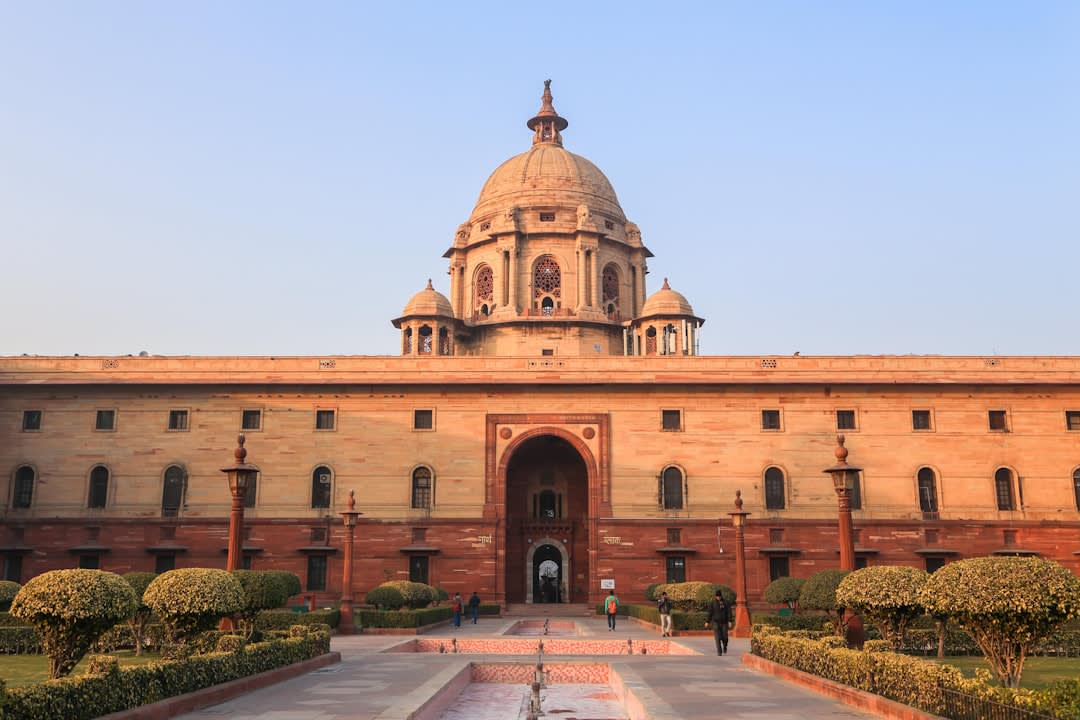
- •The recent developments in Karnataka's political landscape have raised questions about the role of the Speaker in considering the resignation of MLAs.
- •The Supreme Court's judgment in the Shrimanth Balasaheb Patel case has provided some clarity on this issue.
- •According to the judgment, the Speaker's role is limited to ascertaining whether the resignation is "voluntary" and "genuine".
The recent developments in Karnataka's political landscape have raised questions about the role of the Speaker in considering the resignation of MLAs. The Supreme Court's judgment in the Shrimanth Balasaheb Patel case has provided some clarity on this issue. According to the judgment, the Speaker's role is limited to ascertaining whether the resignation is "voluntary" and "genuine". This means that the Speaker can only check if the resignation is made out of the MLA's free will and not under duress.
The Legal Framework
The Tenth Schedule of the Constitution deals with the disqualification of MLAs for "voluntarily giving up the membership of their party". The Anti-Defection Law is aimed at preventing MLAs from switching parties, which can lead to the collapse of governments. The law provides that if an MLA votes against the party's direction, they can be disqualified. However, if the MLA resigns before the disqualification proceedings are completed, the Speaker's acceptance of the resignation can render the disqualification proceedings infructuous.
- ▸The Tenth Schedule applies to both the Lok Sabha and the Rajya Sabha.
- ▸The Anti-Defection Law has been upheld by the Supreme Court in several judgments, including the Kihoto Hollohan case.
- ▸The law provides that the Speaker's decision on disqualification is subject to judicial review.
The Current Situation
The recent developments in Karnataka have sparked a debate about the role of the Speaker in accepting the resignation of MLAs. The Karnataka Assembly has seen several MLAs resigning and joining other parties, which has led to a political crisis. The BJP has argued that the Congress government is on the verge of collapse, while the Congress has maintained that the government is stable.
Did You Know? The Tenth Schedule was introduced in 1985 to prevent the defection of MLAs, which was seen as a major threat to the stability of governments. The law has been amended several times since then to strengthen its provisions.
The Way Forward
The current situation in Karnataka highlights the need for clarity on the role of the Speaker in accepting the resignation of MLAs. The Supreme Court has provided some guidance on this issue, but more needs to be done to prevent political instability. The Election Commission of India has also played a crucial role in ensuring the smooth conduct of elections in the state.
- ▸The Model Code of Conduct is in place to ensure that elections are conducted fairly.
- ▸The Election Commission of India has the power to disqualify candidates who violate the code.
- ▸The Right to Information Act 2005 provides citizens with the right to access information about government activities.
Conclusion
The recent developments in Karnataka have highlighted the need for clarity on the role of the Speaker in accepting the resignation of MLAs. The Tenth Schedule of the Constitution and the Anti-Defection Law provide a framework for dealing with defections, but more needs to be done to prevent political instability. The Supreme Court and the Election Commission of India have played a crucial role in ensuring the smooth conduct of elections in the state.
Concepts Mentioned
Indian National Congress
The Indian National Congress is a prominent political party. It played a significant role in India's independence movement. Founded in 1885, it is one of the oldest parties.
BJP
The BJP is a major Indian political party, significant for its nationalist ideology. It is one of India's largest parties, with Narendra Modi as a notable leader. Founded in 1980, it has held national power since 2014.
Karnataka Assembly
The Karnataka Assembly is the state's legislative body, holding significant legislative power. It comprises elected members representing various constituencies. The assembly has 224 seats.
Kihoto Hollohan case
The Kihoto Hollohan case is a landmark judgment regarding parliamentary privileges. It signifies the balance between legislative and judicial powers. The Supreme Court ruled in 1992.
Seventh Schedule
The Seventh Schedule is a constitutional provision outlining three lists of subjects. It is significant for dividing power between the union and states. The Union List includes defence and foreign affairs.
Anti-Defection Law
The Anti-Defection Law is a legislation that prevents elected representatives from switching parties. It is significant for maintaining political stability. The law was enacted in 1985.
Tenth Schedule of the Constitution
The Tenth Schedule of the Constitution deals with anti-defection laws, preventing elected members from switching parties. It is significant for maintaining political stability. The Schedule was added in 1985.
Log in to like, comment, and join the discussion.