Governance and Police Administration
The Punjab government has removed Amritsar Rural SSP Suhel Qasim Mir from his post after former minister Bikram Singh Majithia allegedly stormed the Majitha police station. This development is significant as it highlights the ongoing efforts to reform and strengthen the Punjab Police, following the Prakash Singh case. The transfer of Mir to Assistant Inspector General Personnel-I, Punjab, is one of several recent reshuffles, including the posting of Satinder Singh as Commissioner of Police, Jalandhar.
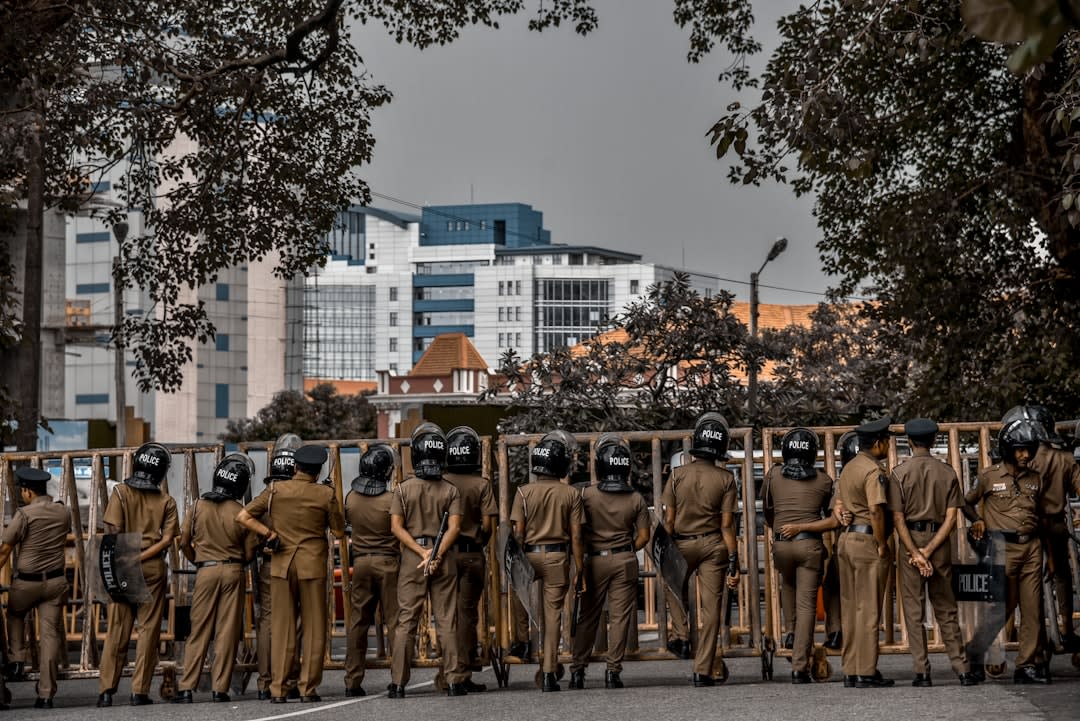
- •Punjab Police Reshuffle: Understanding the Governance and Accountability Structures
Punjab Police Reshuffle: Understanding the Governance and Accountability Structures
The Punjab government's recent decision to remove Amritsar Rural SSP Suhel Qasim Mir from his post, following the alleged storming of the Majitha police station by former minister and Shiromani Akali Dal leader Bikram Singh Majithia and around 50-60 others, has raised questions about the state's law and order situation. Mir's transfer came hours after he held a press conference sharing details about the FIR lodged at Majitha police station, and the police continued to cordon off Majithia's residence looking to arrest him. This incident highlights the complexities of governance and accountability in the state.
The Punjab government's move to transfer Mir and issue posting orders for 10 other IPS officers with immediate effect has been described as "routine administrative measures" by senior officials. However, this reshuffle comes at a time when the Punjab Police is focusing on strengthening law and order and border security. The National Police Commission has emphasized the need for effective police administration and accountability in maintaining public trust. The Police Act 1861 and the Indian Police Service (IPS) Cadre Rules provide the framework for police governance and administration in the country.
- ▸The Director General of Police (DGP) is the head of the state police force, responsible for maintaining law and order.
- ▸The Indian Police Service (IPS) is a prestigious service that provides leadership to the state police forces.
- ▸The Police Reforms initiated by the Supreme Court in the Prakash Singh Case (2006) aim to improve police accountability and effectiveness.
Accountability and Transparency
The incident at Majitha police station raises concerns about the accountability of police personnel and the transparency of police actions. The Right to Information Act 2005 provides citizens with the right to access information about government actions, including police operations. The Central Information Commission (CIC) and the State Information Commissions are responsible for ensuring the implementation of the RTI Act.
Did You Know? The Bureau of Police Research and Development (BPR&D) is a national agency responsible for researching and developing policies for police reforms and modernization.
Significance and Implications
The Punjab Police reshuffle and the incident at Majitha police station have significant implications for governance and accountability in the state. The Constitution of India provides for the maintenance of law and order as a state subject, and the Seventh Schedule allocates police as a state subject. The Directorate of Public Prosecutions (DPP) is responsible for prosecuting crimes and ensuring that the rule of law is upheld.
- ▸The National Human Rights Commission (NHRC) is a statutory body that investigates human rights violations, including those committed by police personnel.
- ▸The Judicial Reforms initiated by the Supreme Court aim to improve the efficiency and effectiveness of the justice delivery system.
- ▸The Good Governance principles of transparency, accountability, and participation are essential for ensuring that the police force is responsive to the needs of citizens.
Concepts Mentioned
Right to Information Act, 2005
The Right to Information Act, 2005, is a law granting citizens access to government information. It promotes transparency and accountability, enabling citizens to request and obtain information from public authorities. The Act applies to all government bodies.
Prakash Singh Case (2006)
The Prakash Singh Case is a landmark Supreme Court judgment. It directed states to implement police reforms, ensuring autonomy and accountability. The court ordered the creation of state security commissions.
Police Reforms
Police reforms refer to changes aimed at improving law enforcement. It is significant for ensuring justice and public trust. The Indian government implemented the Police Act of 1861.
Indian Police Service (IPS)
The Indian Police Service is a prestigious law enforcement agency. It plays a crucial role in maintaining internal security and order. The IPS has around 3,894 active officers.
Director General of Police (DGP)
The Director General of Police is the highest-ranking police officer in an Indian state. It holds significant administrative authority, overseeing law enforcement and public safety. The DGP of Kerala is an example.
Indian Police Service (IPS) Cadre Rules
The Indian Police Service Cadre Rules govern the allocation and tenure of IPS officers. They are significant for effective policing and administration. The rules allocate officers to specific states, such as Bihar or Maharashtra.
Police Act, 1861
The Police Act of 1861 is a legislation that established a police force in India. It is significant for modernizing law enforcement. The act led to the creation of the Indian Police Service.
National Police Commission
The National Police Commission is a statutory body established to reform and reorganize the police forces in India. It was set up in 1979 to address issues of police accountability, human rights, and community policing. The commission's recommendations led to the establishment of the State Police Commissions in several states, improving police governance and oversight.
Log in to like, comment, and join the discussion.