Formation of Indian National Congress — Latest Development
Recent development on Formation of Indian National Congress. Review source articles.
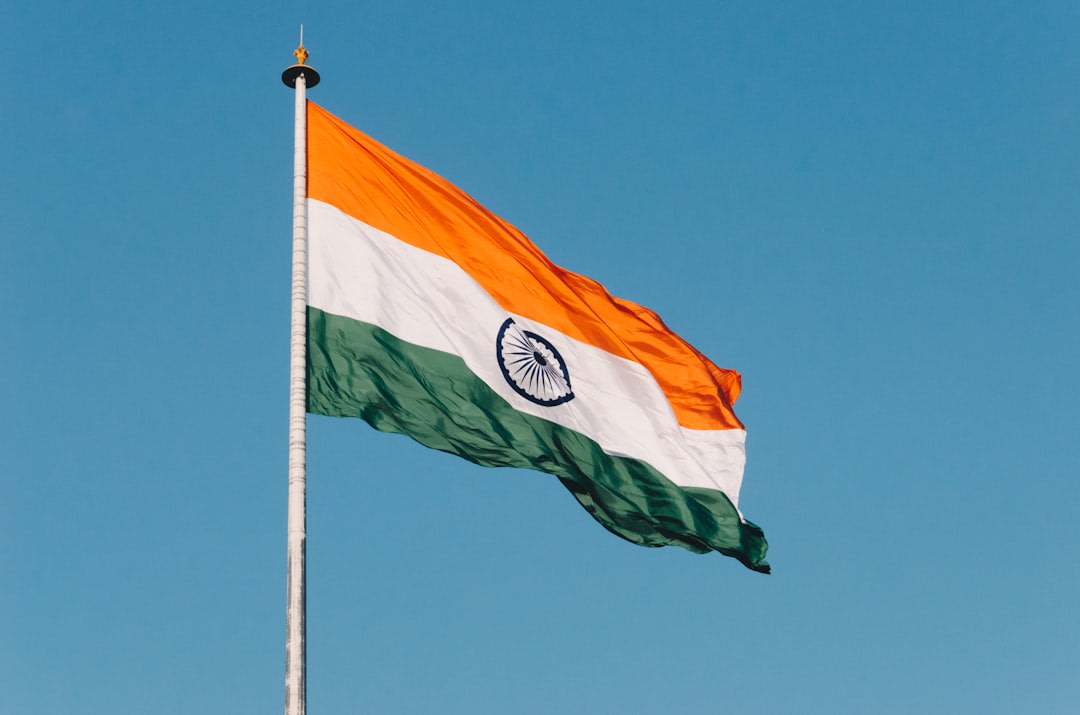
- •On June 3, 1947, the British government proposed a blueprint for the partition of colonial India, known as the Mountbatten Plan.
- •This plan, named after the then Viceroy, culminated into the Indian Independence Act of 1947, marking the official end of British rule and bringing along a defining chapter in the history of the Indian subcontinent.
- •The plan proposed the creation of two dominions, India and Pakistan, and served as a definitive framework for the transfer of power.
On June 3, 1947, the British government proposed a blueprint for the partition of colonial India, known as the Mountbatten Plan. This plan, named after the then Viceroy, culminated into the Indian Independence Act of 1947, marking the official end of British rule and bringing along a defining chapter in the history of the Indian subcontinent. The plan proposed the creation of two dominions, India and Pakistan, and served as a definitive framework for the transfer of power. To facilitate this, the plan proposed the establishment of a Boundary Commission, which was chaired by Sir Cyril Radcliffe, to decide the international boundaries between the two countries.
- ▸The Indian Independence Act of 1947 was signed by the British Parliament, setting the date for the transfer of power to August 15, 1947.
- ▸The plan led to one of the worst partitions in history, resulting in communal violence and the displacement of millions.
- ▸The nations were to emerge as independent dominions, retaining a constitutional link to the British monarchy, but with the full authority to draft and enact their own constitutions.
Historical Context and the Indian Independence Act 1947
The Mountbatten Plan was a response to the growing demand for independence in India, which had been building up over several decades. The plan was the result of several rounds of discussions between the British government and the leaders of the Indian National Congress and the Muslim League. The Indian Independence Act of 1947 was a key component of the plan, as it provided the legal framework for the transfer of power. The Act also established the principle of partition, which would divide British India into two separate countries: India and Pakistan.
- ▸The Right to Information Act 2005 was not directly related to the partition, but it reflects the evolution of India's legal framework towards transparency and accountability.
- ▸The Maneka Gandhi Judgment (1978) expanded the scope of Article 21 of the Indian Constitution, which guarantees the right to life and personal liberty.
Significance and Challenges
The Mountbatten Plan had far-reaching consequences for the Indian subcontinent. The plan led to the creation of two separate countries, India and Pakistan, which has had a profound impact on the region's politics, economy, and culture. However, the plan also resulted in one of the largest mass migrations in history, with millions of people crossing the border between India and Pakistan. The plan also led to significant communal violence, which resulted in the loss of thousands of lives.
Did You Know? The Mountbatten Plan was not just a simple division of territory, but it also involved the division of assets, including the Indian Army, the railways, and the civil service. This division had a significant impact on the economic and military capabilities of both India and Pakistan.
Legacy of the Mountbatten Plan
The Mountbatten Plan has had a lasting impact on the Indian subcontinent. The plan led to the creation of two separate countries, which has resulted in a complex web of relationships between India and Pakistan. The plan also resulted in the displacement of millions of people, which has had a profound impact on the social and economic fabric of the region. Today, the legacy of the Mountbatten Plan continues to shape the politics and economy of the Indian subcontinent.
- ▸The National Solar Mission is an example of India's efforts to promote renewable energy and reduce its dependence on fossil fuels.
- ▸The Kunming-Montreal Framework is an international agreement aimed at promoting biodiversity conservation and sustainable development.
Conclusion
In conclusion, the Mountbatten Plan was a significant event in the history of the Indian subcontinent. The plan led to the creation of two separate countries, India and Pakistan, and had a profound impact on the region's politics, economy, and culture. The plan also resulted in significant communal violence and the displacement of millions of people. Today, the legacy of the Mountbatten Plan continues to shape the politics and economy of the Indian subcontinent.
Concepts Mentioned
Kunming-Montreal Framework
The Kunming-Montreal Framework is a global biodiversity agreement. It matters for UPSC as it relates to environmental conservation. The framework aims to protect 30% of Earth's land and sea by 2030.
National Solar Mission
The National Solar Mission is India's initiative to promote solar energy. It aims to reduce dependence on fossil fuels. Launched in 2010, it targets 100 GW of solar power capacity.
Maneka Gandhi Judgment
The Maneka Gandhi Judgment is a landmark Supreme Court decision. It established the right to travel abroad as part of personal liberty. The 1978 judgment ruled in favor of Maneka Gandhi, whose passport was revoked by the government.
Right to Information Act, 2005
The Right to Information Act, 2005, is a law granting citizens access to government information. It promotes transparency and accountability, enabling citizens to request and obtain information from public authorities. The Act applies to all government bodies.
Indian Independence Act 1947
The Indian Independence Act 1947 is a British law granting India independence. It is significant as it marked the end of British rule. The act came into effect on August 15, 1947.
Log in to like, comment, and join the discussion.