The Transaction and Its Symbolism
Today, actor Shah Rukh Khan finalized the purchase of the remaining two floors of his four‑storey Delhi residence, becoming the sole owner of the entire building. The acquisition underscores a growing trend among Indian celebrities to consolidate property and showcase heritage‑inspired interiors, with Khan’s home featuring Mughal‑style motifs such as intricate arches and ornamental rugs. The deal, valued at approximately Rs 37 crore, adds a premium urban asset and positions the property as a high‑profile example of contemporary Mughal revival in private residences.
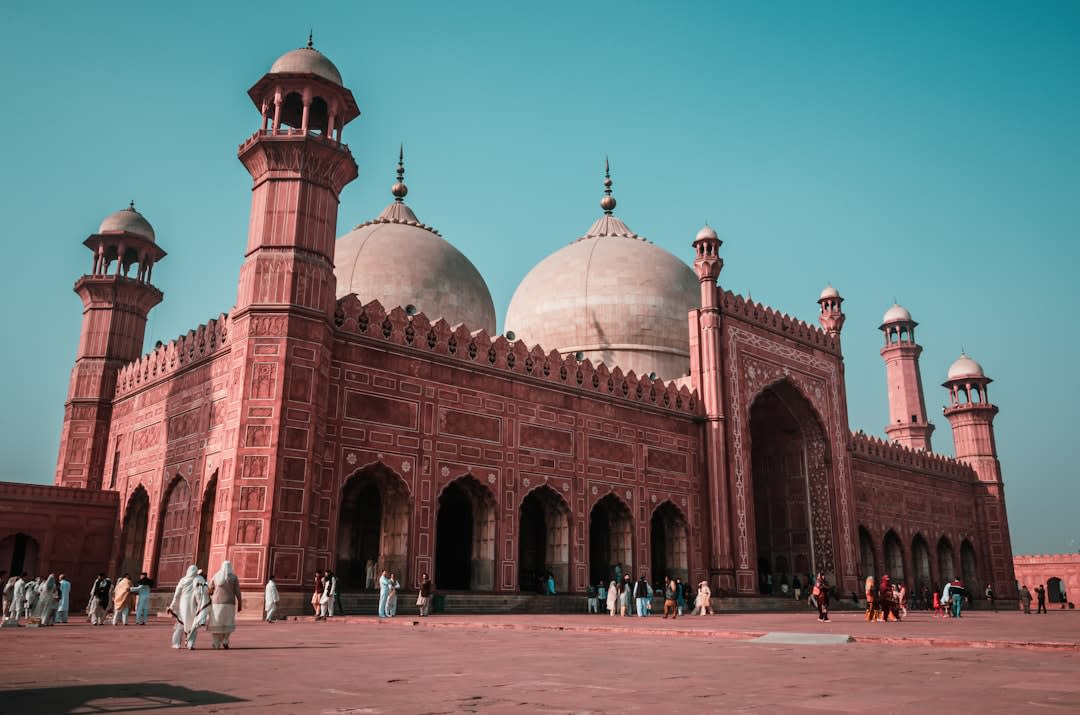
- •Shah Rukh Khan’s Delhi Home Purchase: Heritage, Memory and Mughal Architectural Echoes
Shah Rukh Khan’s Delhi Home Purchase: Heritage, Memory and Mughal Architectural Echoes
Shah Rukh Khan has become the sole owner of his four‑storey residence in Panchsheel Park, South Delhi, after paying Rs 37 crore for the remaining two floors. The acquisition completes a personal timeline that began when he and Gauri Khan first moved into the basement and ground floor after their 1991 wedding. Beyond a private real‑estate deal, the home’s design choices echo centuries‑old Indian heritage, linking celebrity culture to the nation’s architectural legacy.
The purchase consolidates ownership of a property that has housed the Khan family for over three decades.
- ▸The building comprises a basement, first floor, and two newly acquired upper floors, totaling four storeys.
- ▸The reported price of Rs 37 crore reflects Delhi’s premium market for heritage‑adjacent homes.
- ▸Gauri Khan, an interior designer, curated the interiors herself, blending vintage charm with contemporary luxury.
These details matter because elite residences often serve as cultural showcases, projecting personal narratives onto the urban fabric. In a city where heritage precincts like Old Delhi coexist with high‑rise towers, the Khan home becomes a micro‑cosm of India’s negotiation between past and present.
Mughal Architectural Language in Contemporary Elite Homes
The Khan residence, though modern, incorporates motifs rooted in Mughal Architecture, a style that defined the subcontinent from the 16th to the 19th century.
- ▸Mughal palaces employed the iwan—a vaulted hall opening onto a courtyard—mirrored today in grand entryways and high ceilings.
- ▸Char‑bagh garden layouts, dividing space into four quadrants, inspire the home’s landscaped terraces and symmetrical furniture placement.
- ▸Jali screens, intricate stone lattices, find a contemporary echo in the wooden railings and perforated panels that filter light throughout the house.
These design elements are not mere aesthetic choices; they signal a continuity of cultural capital. By invoking Mughal forms, the home aligns itself with a lineage that includes UNESCO‑listed monuments such as the Taj Mahal (inscribed in 1983) and the Red Fort (inscribed in 2007).
Did You Know? The ornamental “pietra dura” inlay work, famously seen in the Taj Mahal, was introduced to India by Persian artisans during Emperor Akbar’s reign and continues to inspire luxury interiors today.
Cultural Memory, Soft Power, and Intangible Heritage
The interior walls display an antique rug framed in gold, which Gauri Khan describes as “art on the wall.” This piece exemplifies Intangible Cultural Heritage—the living traditions, skills, and knowledge that accompany material objects.
- ▸The rug, a 19th‑century Kashmiri carpet, embodies weaving techniques passed down through generations of artisans.
- ▸Family photographs chronicle milestones from the couple’s early years to their children’s milestones, turning private memory into a curated narrative of modern Indian celebrity.
- ▸Such displays reinforce India’s soft power by broadcasting a blend of personal story and cultural patrimony to global media audiences.
Through platforms like Vogue, the home’s aesthetic reaches an international viewership, subtly promoting Indian heritage as a component of contemporary lifestyle branding—a form of Cultural Diplomacy that enhances the nation’s cultural export value.
Preservation Challenges in an Urban Landscape
While elite homes can champion heritage, rapid urbanisation threatens both tangible and intangible assets.
- ▸Delhi’s heritage zones face pressure from high‑density development, risking the loss of historic streetscapes.
- ▸The Heritage Conservation framework, administered by the Archaeological Survey of India, mandates preservation but often lacks enforcement in private properties.
- ▸Climate change, with rising humidity and temperature fluctuations, accelerates the deterioration of antique textiles like the framed rug.
Balancing private ownership with public responsibility calls for stronger incentives—tax rebates for heritage‑friendly renovations and stricter guidelines on the use of historic motifs in new constructions.
Significance and the Way Forward
Shah Rukh Khan’s consolidation of his Delhi home illustrates how personal heritage can intersect with national cultural narratives. By embedding Mughal architectural cues and showcasing intangible artefacts, the residence becomes a living museum that both celebrates and challenges India’s preservation agenda. Policymakers could harness such high‑visibility examples to promote heritage‑sensitive urban planning, ensuring that the stories woven into walls and rugs endure for future generations.
Concepts Mentioned
National Heritage Conservation Act 1985
The National Heritage Conservation Act of 1985 is Indian legislation that creates a statutory framework for protecting cultural monuments, establishing the ASI Heritage Conservation Committee and allowing states to declare protected sites. The Taj Mahal was officially listed as a protected monument under the Act in 1985, securing its preservation funding.
Cultural Diplomacy
Cultural diplomacy is the use of artistic, educational, and heritage exchanges to promote mutual understanding and influence between nations. It helps soften political tensions, builds soft power, and creates long‑term people‑to‑people connections that complement traditional diplomacy. For example, the 2016 U.S.–China Year of Cultural Exchange featured touring exhibitions and joint concerts that reached millions.
Intangible Cultural Heritage
Intangible Cultural Heritage refers to non-physical aspects of culture, such as traditions and skills. It holds significant cultural value, preserving community identity. UNESCO recognizes examples like Japan's Kabuki theatre.
Mughal Architecture
Mughal architecture, developed in the Indian subcontinent from the early 16th to the 18th century, blends Persian, Islamic, and indigenous Indian elements into grandiose forts, gardens, and mosques. It symbolizes imperial power and cultural synthesis, epitomized by the Taj Mahal—a marble mausoleum whose symmetrical plan and intricate inlay remain iconic worldwide.
Log in to like, comment, and join the discussion.