Operation Safed Sagar: Military Action and Diplomatic Messaging
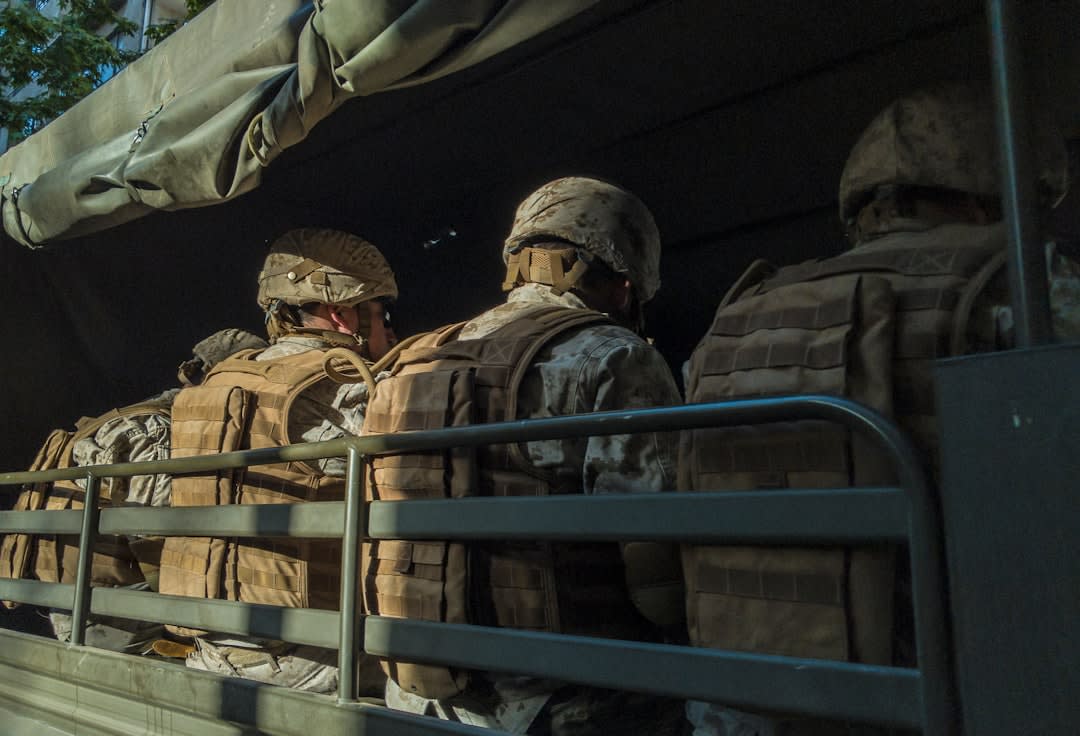
On July 21, 2026, the Indian Ministry of External Affairs announced the deployment of an additional 500 military personnel to the United Nations peacekeeping mission in Sudan following the Security Council’s latest resolution authorizing a force expansion. The move underscores India’s expanding role in UN operations, building on its historic contributions that now total over 9,000 peacekeepers across 15 missions. With the new contingent, India’s troop contribution will rise to 9,500, representing the third‑largest national contingent in the Sudan mission.
- •Kargil War Series Trailer Highlights India's Diplomatic Resolve Amid Pakistan Tensions
Kargil War Series Trailer Highlights India's Diplomatic Resolve Amid Pakistan Tensions
The streaming platform Oni Sen released a three‑minute trailer for Operation Safed Sagar: The Untold Story of the Kargil War on July 19 2026. It showcases the Golden Arrows Squadron’s daring sorties, emphasizing a “five per cent chance of success” and framing the 1999 air campaign as a decisive signal to Pakistan. The dramatisation arrives as New Delhi prepares for its next round of Indo‑Pak diplomatic overtures, reviving public debate on the balance between military force and diplomatic engagement.
The trailer foregrounds Squadron Leader Ajay Ahuja and Wing Commander B.S. Dhanoa, portraying their unit’s role in what the producers call the “world’s highest air operation”.
- ▸Trailer released on 19 July 2026, coinciding with heightened media focus on Indo‑Pak ties.
- ▸Narrative cites a 5 % probability of mission success, underscoring the operation’s risk‑laden nature.
- ▸Golden Arrows Squadron featured three senior officers, including Ahuja and Dhanoa.
The visual emphasis on high‑altitude combat serves a dual purpose: it celebrates Indian Air Force (IAF) prowess while sending a calibrated message of deterrence to Islamabad. By foregrounding air superiority, the series reinforces New Delhi’s claim that any future incursion across the Line of Control (LoC) would meet swift aerial response, a stance echoed in diplomatic communiqués since 1999.
Historical Context of the Kargil Conflict
The Kargil episode unfolded between May and July 1999, when Pakistani forces seized strategic peaks along the LoC and threatened National Highway 1 (NH 1).
- ▸Conflict erupted in May 1999, with Pakistani troops occupying key ridges.
- ▸Indian forces reclaimed the contested heights by July 1999, restoring control over NH 1.
- ▸Air operations were conducted at altitudes exceeding 18,000 ft, the highest ever for combat missions.
The war prompted the Lahore Declaration of 1999, a bilateral pledge to resolve disputes peacefully, and drew limited UN observation, highlighting the rarity of multilateral mediation in South Asian high‑altitude warfare. The episode remains a reference point for India’s “limited war” doctrine, wherein calibrated military action is paired with diplomatic overtures to compel de
Tags
Log in to like, comment, and join the discussion.