Immediate Response Measures
Today, August 1, 2026, Kerala’s Revenue Minister A.P. Anilkumar convened an emergency meeting of all district collectors, NDRF, police and health officials to coordinate response after heavy rains triggered a deadly landslide in Kudayathoor. The meeting underscores the state’s integrated disaster management approach, linking revenue, health and security agencies to mitigate flood and landslide risks across multiple districts. The landslide at Adoormala claimed one life, injured two, and follows more than 200 mm of rain recorded in the region within 24 hours, prompting the coordinated response.
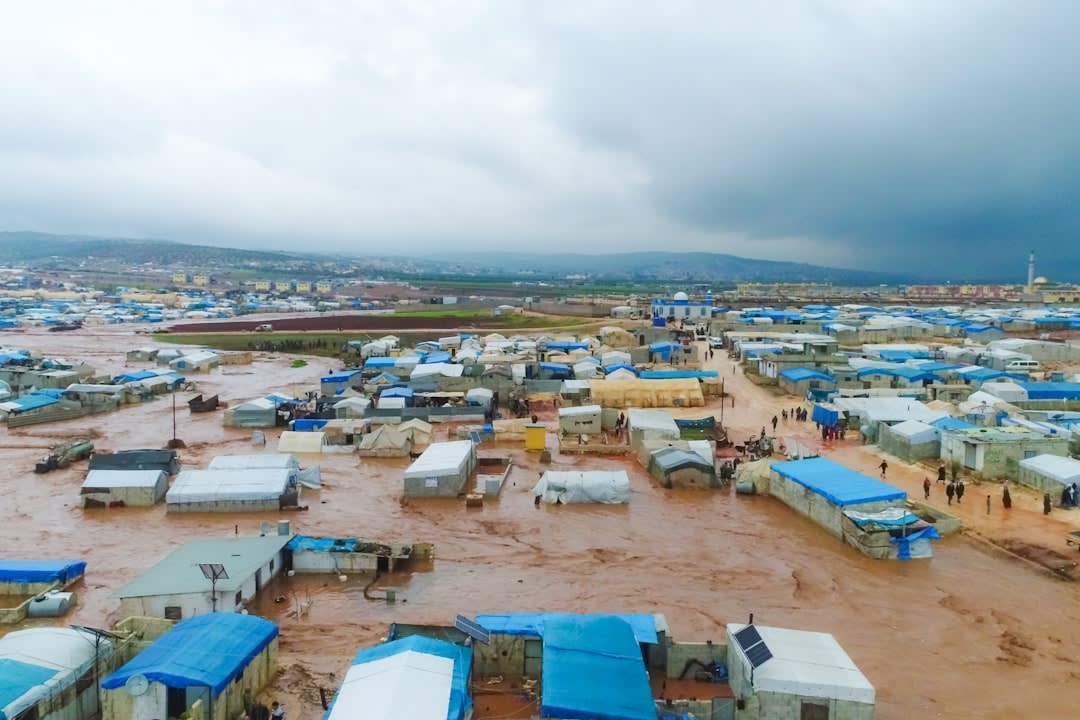
- •Kerala Heavy Rains Prompt Health Alerts and Relief Operations: What the Disaster Management Framework Reveals
Kerala Heavy Rains Prompt Health Alerts and Relief Operations: What the Disaster Management Framework Reveals
Health Minister K. Muraleedharan has ordered health officials to stay on high alert as torrential rains batter Kerala’s districts, while Chief Minister V.D. Satheeshan has instructed ministers to camp in their respective districts to oversee relief work. The on‑ground impact includes a landslide at Adoormala that claimed one life, six deaths and six missing persons across the state, and more than 65 relief camps sheltering 1,465 evacuees.
The health ministry’s swift directives aim to prevent secondary health crises that often follow floods. The Director of Health Services (DHS) convened an online meeting with district medical officers and National Health Mission (NHM) programme managers to ensure medical readiness at relief camps. Simultaneously, the Water Resources Department reported a six‑foot rise in the Idukki reservoir within 24 hours, heightening flood‑risk alerts.
- ▸Health Minister K. Muraleedharan ordered all medical equipment and essential medicines from low‑lying facilities to be moved to safer locations.
- ▸DHS directed health personnel and ambulances to remain on standby, recalling staff on long leave where possible.
- ▸Over 65 camps are active across Kerala, housing 1,465 people as of the latest count.
- ▸The Idukki reservoir level stood at 2,336.04 ft at 1 pm, up from 2,330.90 ft at 7 am the previous day.
Institutional Coordination under the Disaster Management Act 2005
The Disaster Management Act 2005 provides the statutory backbone for inter‑agency collaboration during such emergencies. Section 6(2) mandates that the Chief Minister serve as Chairperson of the State Disaster Management Authority (SDMA), the Chief Secretary as Vice‑Chairperson, and the Principal Secretary (Revenue/Disaster Management) as Convenor. In Kerala, the Revenue Minister A.P. Anilkumar convened a meeting of District Collectors, integrating the National Disaster Response Force (NDRF), police, and other agencies into a unified command structure.
- ▸The SDMA’s composition includes ex‑officio members such as the Additional Chief Secretary (Home) and Finance.
- ▸The Chief Minister, as Chairperson, leads strategic decisions, while the Chief Secretary oversees operational execution.
- ▸The Revenue Minister’s role as Convenor ensures that district‑level plans align with state‑wide disaster‑risk reduction (DRR) objectives.
Early Warning and Forecasting Systems
Robust early warning mechanisms are essential to mitigate loss of life. The Indian Meteorological Department (IMD) issues flood alerts based on real‑time river gauge data, while the state’s Water Resources Department monitors reservoir levels to trigger pre‑emptive evacuations. The recent surge in the Idukki reservoir underscores the need for timely dissemination of warnings to vulnerable communities.
- ▸IMD’s flood warning for the Pampa basin was issued on August 1, prompting advisories for pilgrims heading to Sabarimala.
- ▸The state’s early warning network integrates satellite imagery, ground sensors, and community volunteers to enhance situational awareness.
- ▸District Collectors receive daily bulletins detailing rainfall intensity, river flows, and projected flood‑plain extents.
Did You Know? Kerala’s “rain‑ready” programme, launched in 2015, trains over 10,000 village volunteers annually in first‑aid, evacuation drills, and flood‑resilient construction techniques.
Community Resilience and Ground Realities
Despite institutional mechanisms, the human toll of landslides and floods reveals gaps in community preparedness. The landslip at Adoormala in Kudayathoor panchayat, which struck the home of Mashikkalel Ravi Narayanan, highlights the vulnerability of settlements on unstable slopes. Strengthening community‑based DRR committees can bridge the divide between policy and practice.
- ▸The landslip occurred at 2 a.m., injuring two persons and killing one, illustrating the rapid onset of such hazards.
- ▸Local self‑government bodies have begun mapping high‑risk zones to guide relocation and retrofitting efforts.
- ▸Health officials are urged to stockpile tetanus vaccine, Oseltamivir, oral rehydration salts, and doxycycline in anticipation of water‑borne diseases.
Alignment with the Sendai Framework for DRR
India’s disaster‑risk reduction agenda aligns with the global Sendai Framework for DRR, which sets four priority targets: reducing mortality, economic losses, damage to infrastructure, and the number of people affected. The NDMA’s annual report notes a gradual decline in disaster‑related deaths, yet the recent Kerala events signal the need for accelerated progress.
- ▸Target A of the Sendai Framework aims to reduce global disaster mortality by 2030; Kerala’s fatalities underscore the challenge.
- ▸Target B focuses on economic losses; the state’s agricultural sector faces crop damage worth crores of rupees.
- ▸Target C seeks to protect critical infrastructure; the rising water levels in Idukki reservoir threaten hydro‑electric assets.
Way Forward: Strengthening Inter‑Agency Mechanisms
To translate statutory mandates into effective action, Kerala must enhance data sharing, joint training, and resource mobilization across ministries. Institutionalizing regular simulation exercises involving health, water, and disaster agencies can improve response times. Moreover, integrating climate‑change projections into the state’s five‑year water‑resources plan will future‑proof mitigation strategies.
- ▸Establish a unified command centre that consolidates real‑time data from IMD, the Water Resources Department, and health agencies.
- ▸Conduct quarterly multi‑agency drills focusing on evacuation, medical triage, and logistics coordination.
- ▸Incorporate climate‑risk assessments into the Water Resources Department’s five‑year operational plan to anticipate extreme rainfall events.
Concepts Mentioned
Sendai Framework for DRR
The Sendai Framework for Disaster Risk Reduction is a global plan to reduce disaster losses. It is significant for its focus on prevention and mitigation. Adopted in 2015, it aims to achieve substantial reduction in global disaster mortality by 2030.
Disaster Management Act 2005
The Disaster Management Act 2005 is a law governing disaster management in India. It is significant for establishing a national framework for disaster response. The Act created the National Disaster Management Authority.
Log in to like, comment, and join the discussion.