Kozhikode DDMA opens 26 relief camps, evacuates 563 people amid record rains
On August 2, 2026, the Kozhikode District Disaster Management Authority opened 26 relief camps, relocating 563 individuals after unprecedented heavy rainfall caused flooding and landslides. The move underscores the escalating monsoon challenges across Kerala, prompting coordinated responses from health, revenue, and administrative agencies. Among those sheltered are 157 families, with the state health ministry dispatching medical teams and stockpiling essential medicines for the displaced.
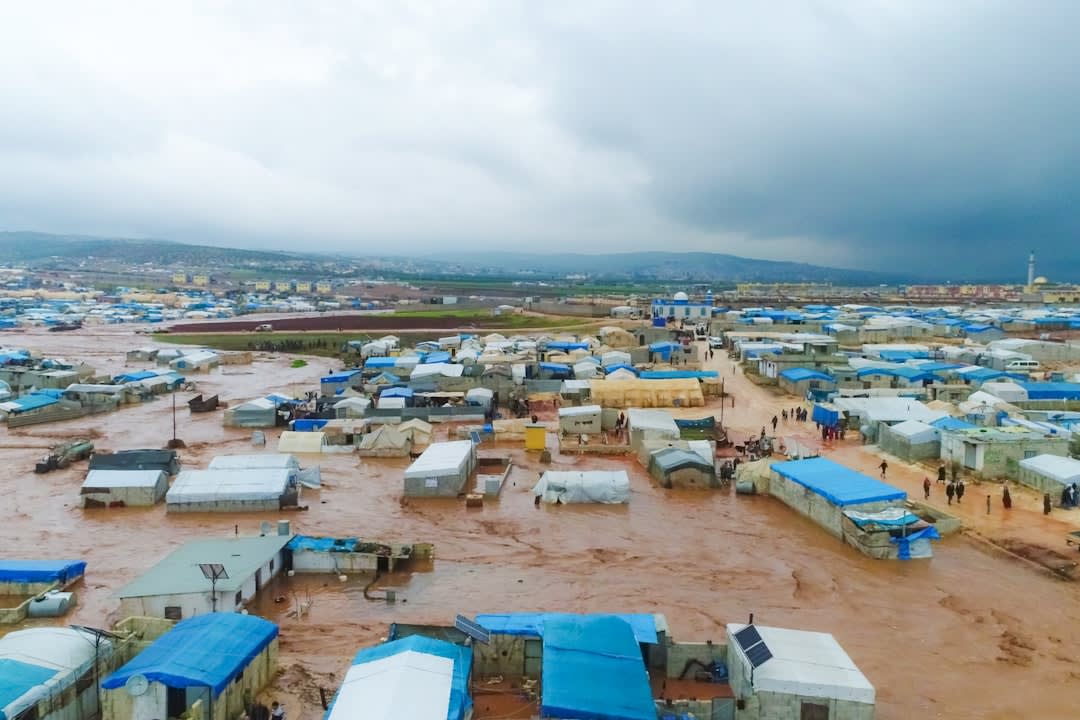
- •Kerala Monsoon Relief: 26 Camps Opened as District Authorities Mobilise Response
Kerala Monsoon Relief: 26 Camps Opened as District Authorities Mobilise Response
The District Disaster Management Authorities (DDMAs) in Kozhikode, Idukki and Kasaragod have set up 26 relief camps, sheltering 563 people from 157 families after heavy rains triggered landslides and flash floods. Simultaneously, 187 residents have been moved to 13 camps in Idukki, while Kasaragod remains on high alert with 208 evacuees in five shelters. The swift activation of these camps underscores the operational reach of India’s disaster‑risk framework, but also highlights gaps that climate‑driven extremes continue to expose.
India’s disaster‑risk regime rests on the Disaster Management Act 2005, which created the National Disaster Management Authority (NDMA) as the apex body. The Act mandates a three‑tier structure: the NDMA at the centre, State Disaster Management Authorities (SDMAs) headed by the Chief Minister, and District Disaster Management Authorities chaired by the District Collector. Section 6(2) specifies the Chief Minister as Chairperson, the Chief Secretary as Vice‑Chairperson, and the Principal Secretary (Revenue/Disaster Management) as Convenor.
- ▸The NDMA formulates national policies, including the Sendai Framework for Disaster Risk Reduction targets.
- ▸SDMAs prepare State Disaster Management Plans that integrate multi‑hazard risk assessments.
- ▸DDMA meetings are convened under the District Collector’s authority, as seen in Kozhikode’s recent briefing.
- ▸The Act empowers the creation of the National Disaster Response Fund to finance relief operations.
- ▸All three tiers must coordinate with the Ministry of Home Affairs for resource mobilisation.
These statutory provisions give legal teeth to relief actions, ensuring that funds and personnel can be deployed without procedural delays.
How the Kerala Relief Operations Unfolded
When the monsoon delivered over 200 mm of rain in Peerumade and Thodupuzha taluks, landslides forced the DDMA to activate emergency shelters. In Kozhikode, the Revenue Department’s senior official confirmed that families from vulnerable upland zones were shifted to camps in Vadakara, Thamarassery, Koyilandy and Kozhikode taluks. Health Minister K. Muraleedharan pledged emergency medical kits and dispatched health teams to each camp.
- ▸563 individuals (157 families) are currently housed in 26 camps across Kozhikode district.
- ▸187 people have been accommodated in 13 camps in Idukki district.
- ▸Kasaragod’s high‑alert status covers 208 evacuees in five camps.
- ▸Volunteer organisations are providing food, sanitation and psychosocial support.
- ▸The District Collector of Kasaragod, Arjun Pandian, ordered all departments to stay on high alert for the next two days.
These figures illustrate the scale of the response and the reliance on inter‑departmental coordination at the district level.
Did You Know? The first Indian disaster‑management law, the Disaster Management Act 2005, was enacted only after the 2004 Indian Ocean tsunami highlighted the need for a unified response mechanism.
Early Warning and Inter‑Agency Coordination
A cornerstone of the NDMA’s mandate is the deployment of an Early Warning System (EWS) that integrates satellite data, river‑gauge readings and meteorological forecasts. In Kerala, the India Meteorological Department (IMD) issued a “rough weather alert” that prompted taluk‑level and village‑level rescue squads to remain on standby. The EWS feeds directly into the DDMA’s command centre, enabling real‑time decisions on evacuations and resource allocation.
- ▸The IMD’s alert on 2 August 2026 triggered the activation of district‑wide rescue squads.
- ▸The Revenue Department’s field officers received SMS‑based warnings linked to the EWS dashboard.
- ▸The State Disaster Management Plan mandates a 24‑hour response window for flood alerts.
- ▸Coordination between the Health Department and the DDMA ensured that essential medicines were pre‑positioned.
- ▸Volunteer groups were mobilised through a digital platform that maps shelter locations and needs.
Effective early warnings reduce the lag between hazard onset and community action, a critical metric in the Sendai Framework’s Target B (reducing disaster mortality).
Community Resilience and Climate Change Pressure
Repeated monsoon extremes have amplified the urgency for Community-Based Disaster Management (CBDM). In the landslide‑prone high ranges of Kottayam and Pathanamthitta, local self‑help groups have been trained to conduct rapid assessments and to manage temporary shelters. Yet, climate‑change projections indicate that the frequency of such extreme events will rise, straining existing capacities.
- ▸Two fatalities and five missing fishermen underscore the maritime dimension of the disaster.
- ▸Over 200 mm of rainfall in Idukki’s uplands exceeded the 30‑year average by 45 %.
- ▸The Kerala State Disaster Management Plan incorporates climate‑adaptation measures such as slope stabilisation.
- ▸NGOs have introduced rainwater harvesting kits to reduce runoff in vulnerable villages.
- ▸The UN’s Climate Change Adaptation Fund has earmarked ₹1,200 crore for Kerala’s resilience projects.
Building community ownership not only accelerates response but also embeds long‑term risk reduction into local livelihoods.
Way Forward: Strengthening the System
While the current relief operations demonstrate the functional reach of India’s disaster‑risk architecture, several systemic upgrades are needed. First, expanding the EWS to include real‑time soil‑moisture sensors can improve landslide forecasts. Second, a dedicated disaster‑risk budget within the National Disaster Response Fund would allow districts to pre‑position supplies without awaiting ad‑hoc allocations. Finally, integrating climate‑scenario planning into SDMA strategies will align India’s commitments under the Sendai Framework with its climate‑change mitigation goals.
- ▸Propose a 15 % increase in NDMA’s annual budget for sensor networks.
- ▸Recommend a joint‑training programme for DDMA officials and community volunteers on climate‑resilient evacuation drills.
- ▸Suggest a legislative amendment to the Disaster Management Act to mandate periodic audits of CBDM committees.
- ▸Encourage the creation of a state‑level “Disaster Innovation Hub” to pilot low‑cost early‑warning technologies.
- ▸Align the next State Disaster Management Plan with the 2030 Sendai targets for reduced economic losses.
These steps can transform reactive relief into proactive resilience, safeguarding lives and livelihoods against an increasingly volatile climate.
Tags
Concepts Mentioned
community-based management
Community-based management involves local stakeholders managing resources, promoting participation and sustainability. It is significant for empowering communities and conserving natural resources. For example, community-managed forests are found in Nepal.
Early Warning Systems
An Early Warning System is a network of sensors, monitoring systems, and communication channels designed to detect and alert authorities to potential natural disasters, such as hurricanes, floods, or wildfires, allowing for timely evacuations and emergency responses. This system is crucial for saving lives and minimizing damage. For instance, the US National Weather Service's Storm Prediction Center issues timely warnings for severe weather events.
National Disaster Response Force (NDRF)
The National Disaster Response Force (NDRF) is a specialized force of the Government of India, established in 2006 to respond to natural and man-made disasters. Its significance lies in providing immediate assistance and rescue operations during emergencies, thereby saving lives and mitigating damage. The NDRF has 12 battalions, each with 18 teams, and is equipped to respond to various types of disasters, including floods, earthquakes, and landslides.
Sendai Framework for Disaster Risk Reduction
The Sendai Framework is a global plan for disaster risk reduction, aiming to reduce disaster losses. It is significant for promoting resilience and sustainability. Adopted in 2015, it has seven targets.
National Disaster Management Authority
The National Disaster Management Authority is a government agency responsible for disaster management. It plays a crucial role in mitigating disasters. India's NDMA was established in 2005.
Disaster Management Act 2005
The Disaster Management Act 2005 is a law governing disaster management in India. It is significant for establishing a national framework for disaster response. The Act created the National Disaster Management Authority.
Log in to like, comment, and join the discussion.