The Ground Reality: Contamination Unfolds
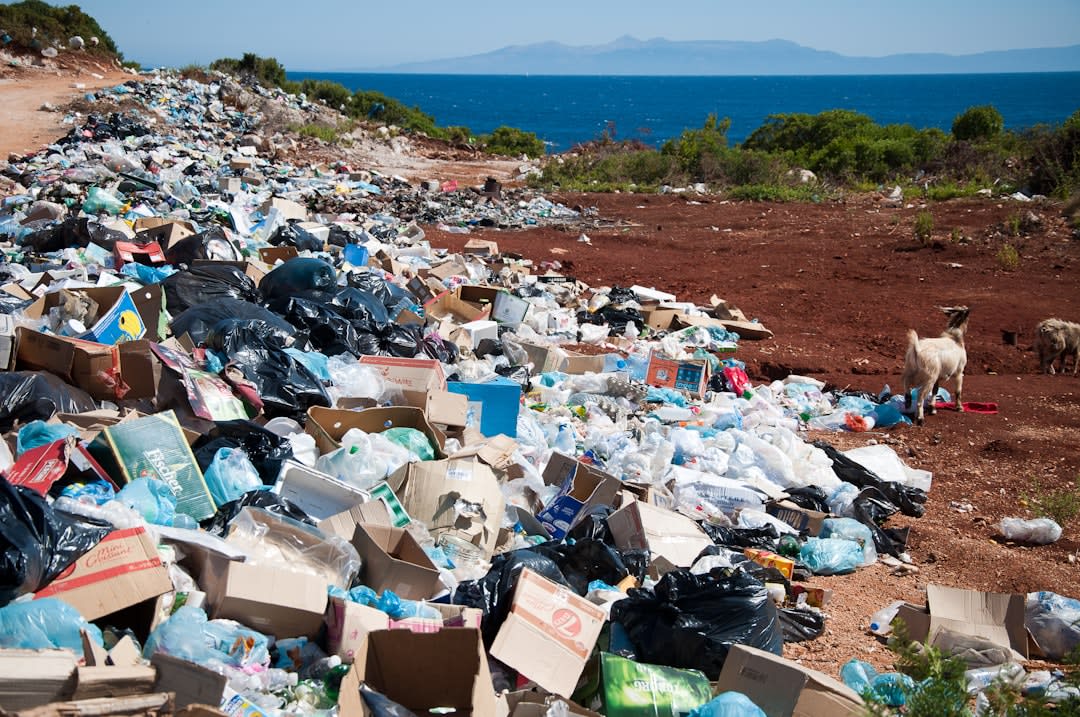
On August 17, 2026, officials confirmed that handpump water in Chhiwali Village, Fatehpur district, turned yellow after illegal dumping of basic chrome sulphate sludge contaminated the aquifer. The contamination highlights a growing crisis of industrial waste polluting rural groundwater across Uttar Pradesh, forcing households to rely on costly bottled or RO water. Residents now pay up to ₹20 per day for a 20‑litre bottle, while tests show chromium levels exceeding safety limits by 12 times.
- •Uttar Pradesh Villages Hit by Hexavalent Chromium Water Crisis — Implications for Pollution Control
Uttar Pradesh Villages Hit by Hexavalent Chromium Water Crisis — Implications for Pollution Control
The villages of Chhiwali and Shivnathpura in Fatehpur district have been forced to rely on discoloured, bitter‑tasting hand‑pump water after basic chrome sulphate sludge was dumped nearby, leaching highly toxic hexavalent chromium into the groundwater. Residents now purchase bottled water at a cost of about ₹20 per day, while the government‑installed pipelines frequently deliver sewage‑mixed supply, leaving the community with no safe alternative.
The contamination was first noticed when the water emerging from hand pumps turned a faint yellow‑green, a visual cue that the underlying soil had been stained by industrial waste. Daya Devi, a mother of two, recounts that the water “tastes too bitter” and that her family suffers from recurring stomach pains and liver infections. Nearby households report seeing worms in the supply and are compelled to strain the water before use.
- ▸Location: Chhiwali village, Fatehpur district, Uttar Pradesh
- ▸Contaminant: hazardous basic chrome sulphate sludge releasing hexavalent chromium into groundwater
- ▸Visual cue: yellow‑green tint in hand‑pump water and on nearby highway culverts
- ▸Daily expense: ₹20 per household for a 20‑litre bottle of RO water
- ▸Alternative source: deeper bore‑well water used only for drinking, not for domestic chores
Hexavalent chromium is a known carcinogen that can penetrate cell membranes, causing DNA damage even at concentrations as low as 0.05 mg/L. Its presence in drinking water is linked to gastrointestinal disorders, liver dysfunction, and increased cancer risk. The health complaints reported by villagers align with these toxicological profiles, underscoring an urgent public‑health emergency.
Legal and Institutional Framework
India’s primary environmental statute, the Environment (Protection) Act, 1986, empowers the Ministry of Environment, Forest and Climate Change (MoEFCC) to prescribe water‑quality standards under Section 6 and to levy penalties for non‑compliance. The Act also mandates the Central Pollution Control Board (CPCB) to monitor and enforce these standards across states.
- ▸Section 6: MoEFCC may set permissible limits for pollutants in drinking water
- ▸CPCB’s role: periodic testing of groundwater and issuance of compliance orders
- ▸Penalties: fines and closure of offending industrial units for repeated violations
The National Green Tribunal (NGT) serves as a specialised judicial body to adjudicate environmental disputes, including hazardous waste dumping. Recent jurisprudence has begun to recognise the Right to Water as an implicit facet of the constitutional right to life under Article 21, compelling authorities to ensure safe drinking water for all citizens. However, enforcement gaps persist, especially in rural districts where monitoring infrastructure is weak.
Health and Economic Toll
The contamination has already manifested in tangible health outcomes. Residents like Rajkumar Yadav report chronic liver infections, while children in the area suffer from frequent diarrhoeal episodes. National health data indicate a 15 % rise in diarrhoeal disease incidence in districts with high pesticide residues, a trend likely to be mirrored in chemically polluted zones.
- ▸Reported ailments: liver infection, stomach pain, diarrhoea in children
- ▸Economic burden: ₹20 × 30 ≈ ₹600 per month per household for bottled water
- ▸Indirect cost: loss of wages due to illness and medical expenses
These figures illustrate how environmental degradation translates into direct financial strain for low‑income families, amplifying existing socioeconomic inequities.
Did You Know? Hexavalent chromium is about 100 times more toxic than its trivalent counterpart and is classified as a Group 1 carcinogen by the International Agency for Research on Cancer.
Policy Gaps and Way Forward
The episode exposes critical shortcomings in India’s groundwater monitoring and hazardous‑waste management. While the Environment (Protection) Act, 1986 provides a robust legal scaffold, its implementation falters at the local level. A coordinated response is needed to bridge
Tags
Concepts Mentioned
Right to Water
The right to water is a recognized human right that obliges states to provide everyone with safe water for personal and domestic use. Its significance lies in linking water security to health, dignity and sustainable development. In 2010 the UN General Assembly affirmed safe drinking water and sanitation as a universal human right, prompting many nations to adopt water‑access policies.
National Green Tribunal
The National Green Tribunal is a statutory body that handles environmental disputes. It plays a crucial role in conservation efforts. Established in 2010, it has heard cases on pollution and conservation.
Environment Protection Act 1986
The Environment Protection Act 1986 is a legislation aimed at protecting the environment. It is significant for regulating environmental pollution. The Act prohibits the handling of hazardous substances without permission.
hexavalent chromium
Hexavalent chromium (Cr(VI)) is a highly oxidized form of the element chromium that readily dissolves in water, making it bioavailable and toxic. It is significant because it is a known carcinogen and a major pollutant in industrial waste, especially in leather tanning. For example, the 1970s Love Canal disaster was linked to Cr(VI) leaching into groundwater.
Log in to like, comment, and join the discussion.