Dravida Style: South Indian Temples — Latest Development
Recent development on Dravida Style: South Indian Temples. Review source articles.
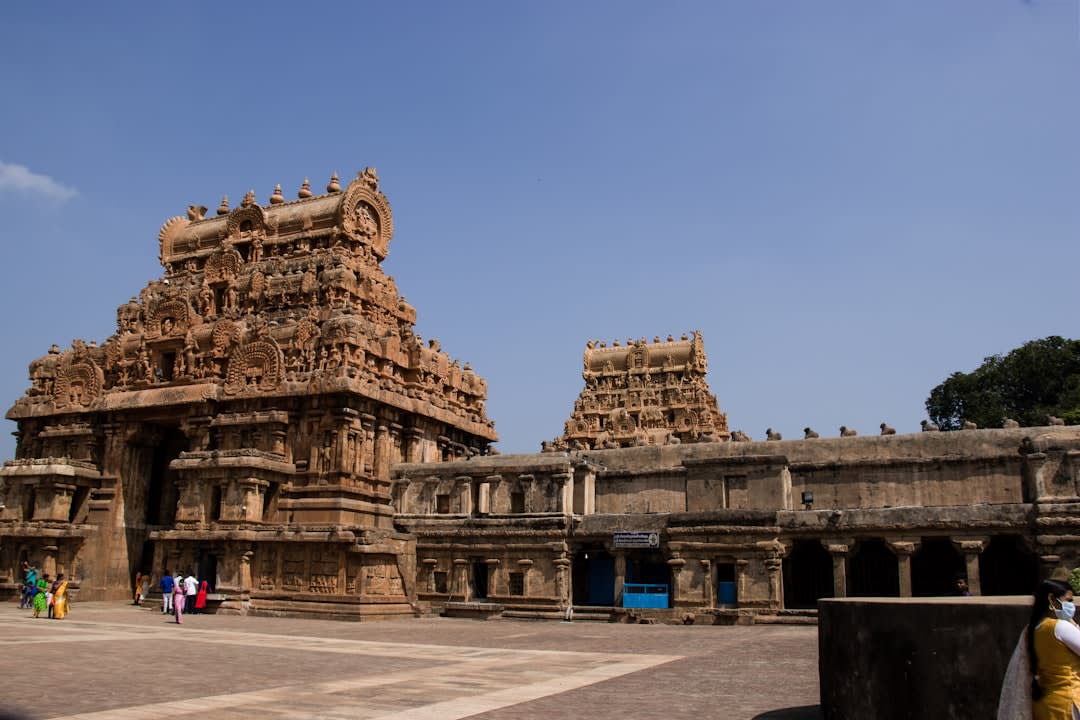
- •The Somnath Temple, located in Gujarat, is one of the most revered Hindu temples in India, dedicated to Lord Shiva.
- •Prime Minister Narendra Modi recently visited the temple to mark 75 years of its inauguration, highlighting its significance in India's cultural and historical landscape.
- •The temple has been a symbol of India's rich cultural heritage, with its history dating back to ancient times.
The Somnath Temple, located in Gujarat, is one of the most revered Hindu temples in India, dedicated to Lord Shiva. Prime Minister Narendra Modi recently visited the temple to mark 75 years of its inauguration, highlighting its significance in India's cultural and historical landscape. The temple has been a symbol of India's rich cultural heritage, with its history dating back to ancient times. It is believed to have been built by the Chalukya dynasty, specifically by King Mularaja, in the 11th century.
Historical Context
The Somnath Temple has been sacked numerous times by invaders, including Mahmud of Ghazni in 1024 CE, which led to its destruction. However, it was rebuilt and renovated several times, with the current structure being a masterpiece of Māru-Gurjara style of architecture, also known as Chaulukya or Solanki style. This style is distinct from the Nagara style of temple architecture and the Dravidian style of temple architecture, with its unique features such as a grand shikhara (spire) and intricate carvings. The temple is situated on the scenic Arabian Sea coast, adding to its aesthetic appeal.
- ▸The temple is a seven-storied structure rising 155 feet, featuring a grand shikhara (spire)
- ▸It has intricate carvings and a garbhagriha (sanctum) housing the Jyotirlinga
- ▸The temple is designed by traditional Sompura masons
- ▸The current structure was reconstructed in 1951
Cultural Significance
The Somnath Temple is not only a significant cultural landmark but also an important pilgrimage site for Hindus. It is one of the twelve Jyotirlinga shrines in India, which are considered to be the most sacred abodes of Lord Shiva. The temple's cultural significance extends beyond its religious importance, as it is also a symbol of India's rich architectural heritage. The temple's design and construction reflect the skill and craftsmanship of Indian artisans, with its intricate carvings and sculptures showcasing the country's rich cultural diversity.
Did You Know? The Somnath Temple is also known for its "lost gates", which were reportedly taken away by Mahmud of Ghazni and later installed in his palace in Ghazni. This historical event has been used as a political instrument to highlight the temple's significance in India's cultural narrative.
Preservation and Conservation
The Somnath Temple is a protected monument under the Ancient Monuments and Archaeological Sites and Remains Act 1958, which ensures its preservation and conservation for future generations. The temple's maintenance and upkeep are managed by the Somnath Trust, which is responsible for its daily operations and maintenance. The trust also oversees the temple's restoration and conservation efforts, ensuring that its cultural and historical significance are preserved.
- ▸The temple is a protected monument under the Ancient Monuments and Archaeological Sites and Remains Act 1958
- ▸The temple's maintenance and upkeep are managed by the Somnath Trust
- ▸The trust oversees the temple's restoration and conservation efforts
Conclusion
The Somnath Temple is a significant cultural and historical landmark in India, reflecting the country's rich cultural heritage and architectural diversity. Its history, design, and cultural significance make it an important pilgrimage site and a symbol of India's cultural identity. The temple's preservation and conservation are crucial to ensuring its continued relevance and significance in India's cultural narrative, and efforts are being made to protect and conserve this valuable cultural asset through initiatives like the UNESCO World Heritage designation.
Concepts Mentioned
UNESCO World Heritage designation
The UNESCO World Heritage designation is a prestigious recognition awarded to cultural and natural sites of outstanding universal value, promoting their preservation and protection for future generations. This designation highlights the significance of these sites in representing the world's cultural and natural diversity. The Taj Mahal in India, for instance, was designated a World Heritage site in 1983.
Ancient Monuments and Archaeological Sites and Remains Act 1958
The Ancient Monuments and Archaeological Sites and Remains Act 1958 is a law protecting India's cultural heritage. It signifies the government's effort to preserve historical sites. The act protects sites like the Taj Mahal.
Jyotirlinga shrines
Jyotirlinga shrines are a group of 12 sacred Hindu temples dedicated to Lord Shiva, each representing a unique manifestation of the deity. These shrines hold immense spiritual significance, symbolizing the divine light of Shiva. The Kashi Vishwanath Temple in Varanasi is one of the most revered Jyotirlinga shrines, attracting millions of devotees each year.
Dravidian style of temple architecture
The Dravidian style of temple architecture is a distinctive and ancient style prevalent in southern India, characterized by the use of pillars, mandapas, and a pyramidal tower known as a vimana. This style is significant for its intricate carvings and sculptures that adorn the temple walls and pillars. The Brihadeeswara Temple in Thanjavur, Tamil Nadu, is a notable example of this style, built in the 11th century by the Chola dynasty.
Nagara style of temple architecture
Nagara style is a prominent Indian temple architecture form. It signifies a unique blend of aesthetics and spirituality. The Khajuraho temples exemplify this style.
Māru-Gurjara style of architecture
Māru-Gurjara style is an architectural tradition. It is significant for its intricate carvings and ornate decorations. The Modhera Sun Temple exemplifies this style.
Log in to like, comment, and join the discussion.