Indian Economic Planning — Latest Development
Recent development on Indian Economic Planning. Review source articles.
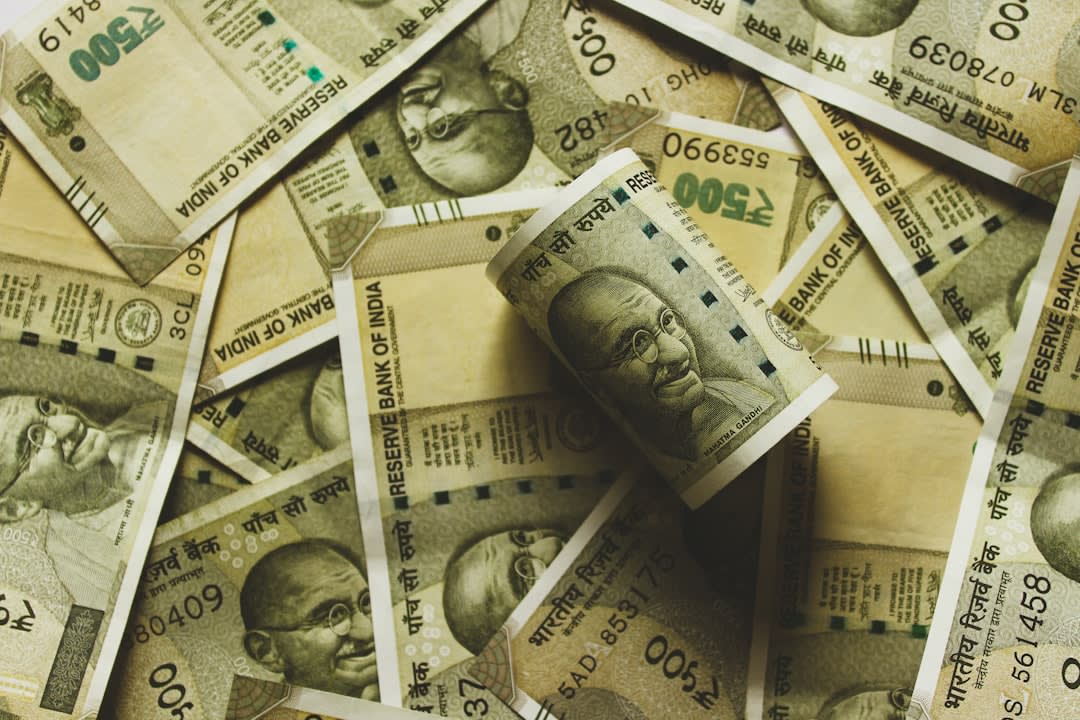
- •The Indian economy has been facing significant challenges in recent years, with a growing concern over the lack of job creation and rising unemployment rates.
- •Despite being one of the fastest-growing major economies in the world, India's growth model has been criticized for failing to create jobs and boost incomes commensurate with the growth of the overall GDP.
- •This criticism is not new and has been raised by many academics and economists, including Ashoka Mody, who has argued that India should focus more on job creation.
The Indian economy has been facing significant challenges in recent years, with a growing concern over the lack of job creation and rising unemployment rates. Despite being one of the fastest-growing major economies in the world, India's growth model has been criticized for failing to create jobs and boost incomes commensurate with the growth of the overall GDP. This criticism is not new and has been raised by many academics and economists, including Ashoka Mody, who has argued that India should focus more on job creation.
Understanding the Growth Model
India's growth model has been driven primarily by investments and services, with a significant contribution from the IT sector. However, this model has been criticized for being inadequate in creating jobs and promoting inclusive growth. The National Manufacturing Policy 2011 aims to increase the share of manufacturing in GDP to 25% by 2025, but the progress has been slow. The government has also launched initiatives like Make in India and Start-Up India to promote entrepreneurship and job creation, but the results have been mixed.
- ▸The Right to Information Act 2005 has been used to highlight the lack of transparency in government initiatives.
- ▸The Mahatma Gandhi National Rural Employment Guarantee Act 2005 provides a safety net for rural workers, but its implementation has been patchy.
- ▸The Pradhan Mantri Kaushal Vikas Yojana (PMKVY) aims to provide skills training to youth, but its effectiveness is still being debated.
- ▸The National Skill Development Corporation (NSDC) has been set up to promote skills development, but its impact is still limited.
The Impact of Globalization and Trade
The rise of protectionism and trade wars has also had a significant impact on India's economy. The country's decision to raise tariff barriers and adopt a more protectionist stance has been criticized by many economists, who argue that it will hurt India's exports and economic growth. The Regional Comprehensive Economic Partnership (RCEP) is a significant trade agreement that India has opted out of, citing concerns over trade deficits and the impact on domestic industries.
Did You Know? The World Trade Organization (WTO) has estimated that the global trade wars could reduce global trade by up to 3.5% by 2025, which could have a significant impact on India's economy.
The Way Forward
To address the challenges facing the Indian economy, the government needs to focus on creating jobs and promoting inclusive growth. This can be achieved by investing in education and skills development, promoting entrepreneurship, and improving the business environment. The government also needs to engage with the global community to promote free trade and investment, while protecting the interests of domestic industries. The NITI Aayog has been set up to promote cooperative federalism and provide a platform for states to share best practices and learn from each other.
- ▸The Goods and Services Tax (GST) has been implemented to simplify the tax regime, but its impact on small businesses and entrepreneurs is still being debated.
- ▸The Insolvency and Bankruptcy Code (IBC) has been introduced to improve the ease of doing business, but its effectiveness is still being tested.
- ▸The Digital India initiative aims to promote digital literacy and improve the digital infrastructure, but its impact on job creation is still limited.
Concepts Mentioned
Regional Comprehensive Economic Partnership (RCEP)
RCEP is a free trade agreement among Asia-Pacific nations. It is significant for regional economic integration. The partnership includes 15 countries, including China, Japan, and South Korea.
National Film Development Corporation of India
The National Film Development Corporation of India is a film development agency. It promotes Indian cinema, supporting independent filmmakers. Founded in 1975, it has financed notable films.
Pradhan Mantri Kaushal Vikas Yojana
The Pradhan Mantri Kaushal Vikas Yojana (PMKVY) is a skill development program launched by the Government of India to provide vocational training to youth and promote employability. It aims to enhance the employability of youth by providing them with skills in various sectors, including IT, healthcare, and manufacturing. Over 1.5 crore youth have been trained under this scheme since its inception.
Mahatma Gandhi National Rural Employment Guarantee Act, 2005
The Mahatma Gandhi National Rural Employment Guarantee Act is a law guaranteeing rural employment. It provides a safety net for rural laborers. The act ensures 100 days of wage employment per year.
Right to Information Act, 2005
The Right to Information Act, 2005, is a law granting citizens access to government information. It promotes transparency and accountability, enabling citizens to request and obtain information from public authorities. The Act applies to all government bodies.
Start-Up India
Start-Up India is a flagship initiative launched by the Government of India in 2016 to promote entrepreneurship and innovation in the country. It aims to create a supportive ecosystem for start-ups, providing them with funding, mentorship, and regulatory relief. For instance, the initiative has led to the creation of over 50,000 start-ups in India, contributing significantly to the country's economic growth.
Make in India
Make in India is a government initiative to promote domestic manufacturing. It aims to boost economic growth and create jobs. The program has led to investments in sectors like automotive and electronics.
National Manufacturing Policy 2011
The National Manufacturing Policy 2011 aims to increase manufacturing sector growth. It is significant for economic development. The policy targets 25% GDP contribution from manufacturing.
Log in to like, comment, and join the discussion.