Scale of Mango Cultivation in Kolar
On July 28, 2026, thousands of mango trees were cut down by farmers in Karnataka’s Kolar district after three consecutive years of heavy losses. The felling underscores the vulnerability of mono‑crop horticulture in the region, where shade from mango canopies prevents inter‑cropping and threatens farmer livelihoods. Kolar, which accounts for about 60% of Karnataka’s mango output, has 42,000‑45,000 hectares devoted solely to mangoes, and the price of the Totapuri variety has fallen to just ₹3 per kilogram.
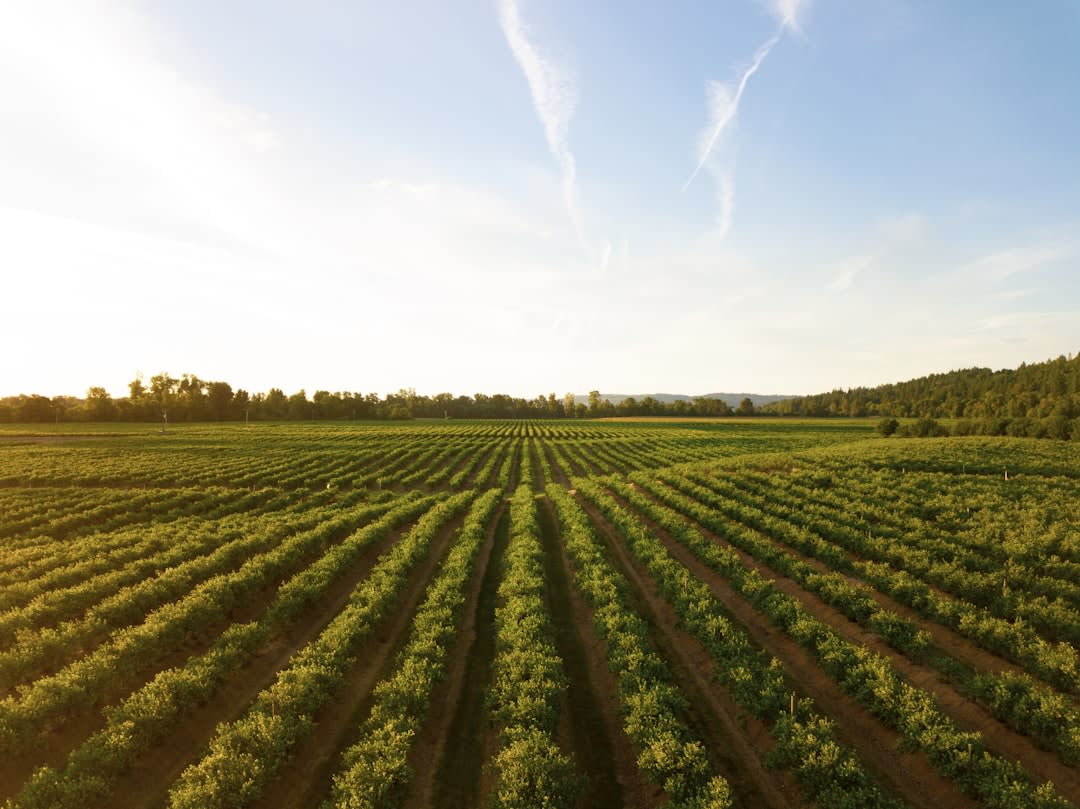
- •Kolar Mango Crisis: Farmers Cut Trees Amid Falling Prices and Crop Losses
Kolar Mango Crisis: Farmers Cut Trees Amid Falling Prices and Crop Losses
Farmers in Karnataka’s Kolar district have begun felling both old and newly‑planted mango trees after three consecutive years of losses. The district, which accounts for roughly 60 % of the state’s mango output on 42,000–45,000 hectares, saw growers like T.V. Ramesh and Murali Thotli abandon the orchards in favour of ragi and vegetables, citing prices as low as ₹3 per kg for Totapuri mangoes. The wave of tree‑cutting threatens a sharp decline in Karnataka’s mango supply for the next season.
Kolar’s mango belt stretches across the semi‑arid Deccan plateau, where annual rainfall averages 700 mm and soils are predominantly red‑laterite. The region’s elevation of 800–900 m ASL limits irrigation, making mangoes a relatively drought‑tolerant cash crop.
- ▸About 60 % of Karnataka’s mango output is produced in Kolar.
- ▸The cultivated area for mangoes in the district ranges between 42,000 and 45,000 hectares.
- ▸Average yields have fallen from 12 tonnes per hectare in 2019 to under 7 tonnes per hectare in 2022.
These figures illustrate why the loss of trees translates into a tangible reduction in state‑wide production.
Why Mango Trees Are Becoming a Liability
Mango orchards, while profitable under favourable market conditions, cast dense shade that suppresses understory crops. Farmers report that inter‑cropping with cereals or pulses is impossible because sunlight does not penetrate the canopy. Moreover, disease outbreaks such as anthracnose have spread from mango to adjacent vegetables, raising phytosanitary concerns.
- ▸Totapuri mangoes fetched only ₹3 per kg in recent market surveys.
- ▸Benisha mangoes, traditionally larger (300–500 g), have shrunk to 100–200 g, reflecting stress‑induced size reduction.
- ▸Abrupt monsoon showers in 2022 and 2023 damaged flowering buds, further depressing yields.
The combination of low prices, reduced fruit size, and agronomic constraints has pushed growers toward alternative staples like ragi, which tolerates the district’s marginal soils.
Did You Know? Kolar’s mango orchards were originally introduced in the 1960s as part of a state‑led horticulture drive, yet today they occupy more land than any other single fruit crop in Karnataka.
Policy Framework Governing Horticulture and Farmer Support
The central and state governments have layered several schemes to cushion farmer distress, yet implementation gaps persist. The National Agricultural Policy (2020) emphasises diversification and risk mitigation, while the Pradhan Mantri Kisan Samman Nidhi (PM‑Kisan) provides direct cash transfers of ₹6,000 per acre to eligible cultivators. The Pradhan Mantri Fasal Bima Yojana (PM‑Fasal) offers insurance against yield loss, but claim settlements for mangoes have been slow. Additionally, the PMKSY (Pradhan Mantri Krishi Sinchayee Yojana) seeks to improve irrigation, a critical need for rain‑fed orchards.
- ▸PM‑Kisan disburses ₹6,000 per acre annually to over 12 million farmers.
- ▸PM‑Fasal covers 85 % of insured acreage for horticultural crops, yet mango claim processing time averages 45 days.
- ▸Under PMKSY, 1.2 million ha of irrigation projects have been completed nationwide, but only 15 % of Kolar’s mango farms are linked to micro‑irrigation schemes.
- ▸The state’s horticulture department has pledged free saplings and technical advice, yet the uptake remains below 30 % of eligible growers.
These programmes illustrate the policy intent to sustain mango production, but the on‑ground reality of tree‑felling signals a mismatch between scheme design and farmer needs.
Economic and Social Implications of Tree Felling
The abrupt removal of mango trees will curtail Karnataka’s contribution to the national mango market, which accounts for roughly 30 % of India’s total output. A decline in supply could push prices upward, benefitting remaining producers but harming consumers and downstream processors. Socially, the loss of a perennial cash crop threatens rural livelihoods, especially for marginal farmers who rely on mango income for education and health expenses.
- ▸Karnataka contributed about 1.2 million tonnes of mangoes to the national basket in 2021.
- ▸A 20 % drop in Kolar’s output could reduce the state’s mango export earnings by an estimated ₹150 crore.
- ▸Farmer suicides in the district have risen by 12 % over the past two years, correlating with mango‑related income loss.
- ▸Diversification into ragi and vegetables may improve food security but offers lower per‑hectare returns than mangoes historically did.
Addressing the crisis will require not only financial relief but also agronomic interventions that enable mixed cropping under mango canopies, such as pruning techniques and shade‑tolerant varieties.
Way Forward
A coordinated response should blend short‑term relief with long‑term structural reforms. Accelerating PM‑Fasal claim settlements for mango growers, expanding micro‑irrigation under PMKSY, and promoting agro‑forestry models that allow inter‑cropping can restore farmer confidence. Moreover, revisiting the pricing mechanism for mangoes—perhaps through a minimum support price under the Mango Production in India framework—could stabilize incomes and deter further tree‑felling.
Concepts Mentioned
Mango Production in India
India, the world’s top mango producer, cultivates over 1.5 million hectares in states such as Uttar Pradesh, Andhra Pradesh and Karnataka. Mangoes generate about 15 % of India’s fruit export earnings, and the 2022 harvest of 19.5 million tonnes fed the domestic market while supplying processors like Fruitland.
PMKSY
PMKSY is a flagship government scheme launched in 2015 to expand irrigation coverage and improve water‑use efficiency across Indian agriculture. It aims to bring 22.5 million hectares under assured irrigation by 2025, linking farmers to micro‑irrigation and watershed development projects such as the Mahatma Gandhi National Rural Employment Guarantee Act‑supported canal upgrades.
Pradhan Mantri Fasal Bima Yojana (PMFBY)
Pradhan Mantri Kisan Samman Nidhi (PM-KISAN)
Pradhan Mantri Kisan Samman Nidhi (PM-KISAN) is a government scheme launched in 2019 to provide financial assistance to small and marginal farmers in India. The scheme aims to alleviate financial stress and improve the livelihoods of these farmers, who are the backbone of the country's agricultural sector. Under PM-KISAN, eligible farmers receive a direct benefit transfer of ₹6,000 per year.
National Policy on Agriculture
The National Policy on Agriculture aims to increase agricultural production and farmers' income. It is significant for the country's food security and rural development. The policy was first introduced in 2000.
Log in to like, comment, and join the discussion.