By-elections Announced in Five States: Constitutional Mechanisms and Political Implications
On September 7, 2026, the Election Commission’s data revealed that Delhi’s pre‑SIR mapping exercise removed more than 33 lakh voter names from the electoral roll during the preparatory phase. The unprecedented deletions, unique among the 17 states conducting the third phase of the systematic integrity review, have sparked criticism over procedural transparency and the adequacy of notice requirements. According to the Chief Electoral Officer’s website, the electorate fell from 1.56 crore in February 2025 to roughly 1.23 crore by mid‑June 2026, a reduction of about 330,000 voters.
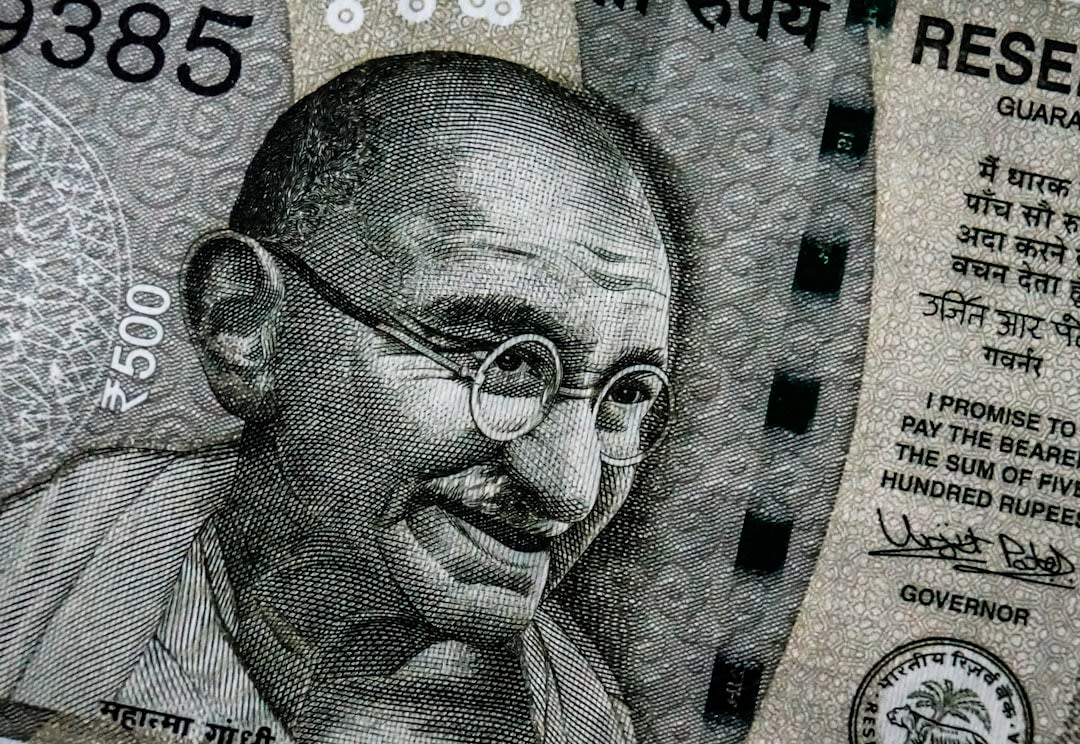
- •The Election Commission (EC) on Monday announced bypolls to five Assembly constituencies in West Bengal, Tamil Nadu, and Puducherry, and one Lok Sabha seat in Assam, to be held on October 6, 2026.
- •The nomination process closes on September 16, with counting scheduled for October 9, completing the electoral exercise by October 11.
- •These elections follow resignations of elected legislators across the three states and the union territory, driven by political realignments and legal disputes.
The Election Commission (EC) on Monday announced bypolls to five Assembly constituencies in West Bengal, Tamil Nadu, and Puducherry, and one Lok Sabha seat in Assam, to be held on October 6, 2026. The nomination process closes on September 16, with counting scheduled for October 9, completing the electoral exercise by October 11. These elections follow resignations of elected legislators across the three states and the union territory, driven by political realignments and legal disputes. In Tamil Nadu, vacancies emerged in Madurantakam (SC) and Dharapuram (SC) after AIADMK legislators Maragatham Kumaravel and P. Sathyabama resigned to join Chief Minister C. Joseph Vijay’s Tamilaga Vettri Kazhagam (TVK). Five other Assembly seats remain vacant due to pending election petitions, including Tiruchirappalli East, won by the Chief Minister himself, who retained Perambur while contesting two seats. Simultaneously, Delhi’s Special Intensive Revision (SIR) of electoral rolls has deleted over 11 lakh names pre-SIR and an additional 47.56 lakh post-SIR, reducing the electorate by 37.6% since the 2025 Assembly elections.
Constitutional Framework for By-elections
The EC’s authority to conduct bypolls stems from Article 324 of the Indian Constitution, which vests the Commission with superintendence, direction, and control of elections to Parliament, state legislatures, and local bodies. The Constitution mandates that all seats be filled within six months of vacancy, ensuring continuous democratic representation. The Model Code of Conduct further governs the process, prohibiting parties from campaigning until nominations are closed. The EC’s role extends beyond mere administration; it interprets constitutional provisions, as seen in landmark rulings like the Maneka Gandhi Judgment, which expanded due process principles to electoral matters. By-elections are not merely procedural exercises but tests of institutional integrity, particularly when vacancies arise from controversial resignations or legal challenges.
Resignations and Political Dynamics in Tamil Nadu
The resignations in Tamil Nadu highlight the intersection of personal ambition and constitutional norms. Under Article 102 and Article 190 of the Constitution, a legislator must resign from their house upon joining another party or forming a new political outfit. However, the Chief Minister’s dual wins—retaining Perambur while winning Tiruchirappalli East—raise legal questions about eligibility. The Supreme Court’s ruling in Ramesh Chandra v. Speaker (2021) clarified that a candidate cannot win multiple seats, with the loser’s seat falling vacant. The EC’s decision to annul the Chief Minister’s second win and trigger a bypoll underscores its commitment to constitutional fidelity. Meanwhile, TVK’s internal dynamics and AIADMK’s legal battles over election petitions reveal the fragility of coalition politics in a fragmented assembly.
Electoral Roll Updates and Democratic Accountability
Delhi’s SIR process has sparked debates over transparency and inclusivity. The 11.01 lakh names deleted pre-SIR—93% during preparatory mapping—raise concerns about procedural fairness. The EC rules require notices to be served to individuals whose names are removed for reasons like absence or duplication, yet Pooja Devi, a domestic worker, received no enumeration form despite decades of voting. Her case exemplifies systemic gaps in the Electoral Roll Updates mechanism, where routine deletions bypass the claims-and-objections process mandated for special revisions. The 2% threshold rule—triggering personal verification if exceeded—was not invoked in Delhi, where 37.6% of the 2025 electorate was deleted. Critics argue this undermines the Right to Information Act 2005, as affected voters lack access to deletion records.
Did You Know? Delhi’s SIR deleted 37.6% of its 2025 electorate, the highest rate in India. Only 1.45 crore voters remained eligible to vote in 2026, down from 1.56 crore in 2025.
Institutional Challenges and Electoral Integrity
The EC’s handling of bypolls and SIR reflects broader challenges in balancing efficiency with democratic accountability. While the Commission has streamlined processes like pre-SIR mapping,
Tags
Concepts Mentioned
Right to Information Act, 2005
The Right to Information Act, 2005, is a law granting citizens access to government information. It promotes transparency and accountability, enabling citizens to request and obtain information from public authorities. The Act applies to all government bodies.
Electoral Roll Updates
Electoral roll updates are periodic revisions of the official list of eligible voters, incorporating new registrations, removals due to death or relocation, and corrections of errors. They ensure that elections reflect current demographics, preventing fraud and enhancing representational fairness. For example, India’s Election Commission adds roughly 30 million new names each year.
Article 190
Article 190 of the Indian Constitution governs the appointment of district judges, mandating that the Governor appoint them after consulting the respective High Court. This provision ensures judicial independence at the district level and allows candidates from the Bar or the subordinate judiciary to be considered. For example, a senior advocate may be elevated directly to a district bench.
Article 102
Article 102 of the Indian Constitution lists the grounds for disqualifying a Member of Parliament, including holding an office of profit or a criminal conviction. It protects legislative integrity by preventing conflicts of interest. In 2022, a sitting MP was barred after a conviction under this provision.
Maneka Gandhi Judgment
The Maneka Gandhi Judgment is a landmark Supreme Court decision. It established the right to travel abroad as part of personal liberty. The 1978 judgment ruled in favor of Maneka Gandhi, whose passport was revoked by the government.
Model Code of Conduct
The Model Code of Conduct is a set of guidelines for political parties and candidates during elections. It ensures fair play and prevents misuse of power. The Election Commission of India enforces it.
Article 324
Article 324 is a constitutional provision that oversees the conduct of elections in India. It matters for UPSC as it is a crucial aspect of Indian polity. The Election Commission of India is established under this article.
Log in to like, comment, and join the discussion.