Immediate Developments
Today, South Western Railway completed a successful trial run of a Vande Bharat Express between Sakleshpur and Subrahmanya Road, marking the first field test for a future Bengaluru‑Mangaluru service. The trial underscores India's push to modernise regional rail corridors with high‑speed, self‑propelled trains, complementing broader high‑speed rail initiatives such as the upcoming bullet‑train projects. If approved, the Bengaluru‑Mangaluru Vande Bharat could cut travel time to under five hours, linking the state capital with the coastal region and serving an estimated 12 million annual passengers.
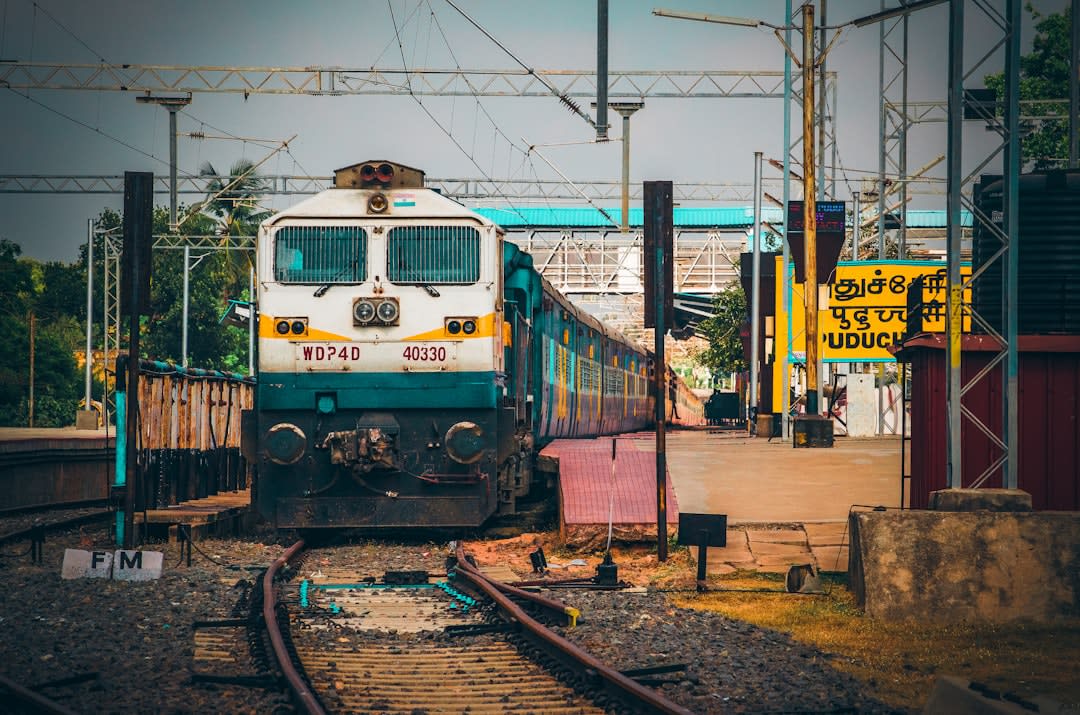
- •Hubballi‑Varanasi Train Frequency Boost and Station Upgrade: Economic and Policy Implications
Hubballi‑Varanasi Train Frequency Boost and Station Upgrade: Economic and Policy Implications
The Ministry of Railways has agreed to run the Hubballi‑Varanasi service (train 07323/07324) three days a week, up from its current schedule, and to remodel Hubballi station with airport‑style amenities. Union Minister Pralhad Joshi announced the move on 12 August 2026, citing long‑pending passenger demands from north Karnataka. The upgrade, slated for completion within the next fiscal year, aims to transform the station into a multimodal hub that can handle rising pilgrim and commercial traffic.
The frequency increase and station revamp are concrete steps toward easing a chronic connectivity gap between north Karnataka and the holy city of Varanasi.
- ▸Train 07323/07324 will operate on three days a week instead of the existing limited schedule.
- ▸Hubballi station will gain organised parking, a shopping mall, multiplex, modern restaurants and commercial outlets.
- ▸The upgrade is being pursued on the lines of an airport, signalling a shift from a purely transit point to a revenue‑generating complex.
These measures respond to a surge in pilgrim travel during the Kumbh‑Mela season and to growing freight demand from Karnataka’s industrial corridors.
Railway Modernisation Framework
The legal scaffolding for such projects rests on the Indian Railways Act 1989, which defines “railway” as any track, line or system of tracks together with associated structures. Under Article 246(1) of the Constitution, railways fall under exclusive parliamentary jurisdiction (Entry 31, Seventh Schedule), allowing the Centre to launch nationwide modernisation drives without state‑level legislative hurdles.
- ▸The Railway Modernisation Programme launched in 2002 earmarks funds for track renewal, signalling upgrades and station redevelopment.
- ▸Recent budget allocations have earmarked ₹120 crore for high‑tech station projects in the South‑Western Railway zone.
- ▸The programme also encourages public‑private partnerships, evident in the branding of private trains.
This constitutional and statutory backing ensures that infrastructure upgrades, such as Hubballi’s, can be pursued swiftly and uniformly across the network.
Economic Impact of Enhanced Connectivity
Improved rail links generate multiplier effects that extend beyond passenger convenience.
- ▸Pilgrimage traffic to Varanasi contributes ₹1.2 billion in ancillary revenue (hotels, transport, food) during peak seasons, according to the Ministry of Tourism.
- ▸Faster freight movement between Karnataka’s manufacturing hubs and the northern hinterland reduces logistics costs by an estimated 5 percent, enhancing competitiveness of small‑scale exporters.
- ▸The station’s commercial spaces are projected to attract ₹80 crore in private lease revenue over the next five years, diversifying Indian Railways’ income streams.
These figures illustrate how a modest increase in train frequency can catalyse regional economic growth, especially when coupled with ancillary commercial development.
Private Branding and Revenue Model
The recent re‑branding of the Lucknow‑Delhi‑Lucknow Tejas Express as the “Sprite” Tejas Express underscores a new revenue paradigm. Managed by IRCTC, the train now carries a six‑month advertising wrap, turning the rolling stock into a moving billboard.
- ▸The branding contract was awarded for six months, from 19 August 2026 to 11 November 2026.
- ▸Group‑booking facilities allow an entire 78‑seat AC Chair Car to be reserved for corporate events, creating a premium fare segment.
- ▸Advertising on the train’s exterior is expected to fetch ₹10 crore in the first half‑year, supplementing haulage charges paid to Indian Railways.
This model demonstrates how private branding can offset operational costs while offering corporations high‑visibility platforms.
Did You Know? The Sprite Tejas Express earns its entire operating margin from advertising revenue, making it the first fully private, branded train in India that does not rely on passenger fares for profitability.
Way Forward: Policy Recommendations
To sustain the momentum, policymakers should:
- ▸Integrate station‑level commercial development with local urban planning, ensuring last‑mile connectivity through bus and metro links.
- ▸Institutionalise a transparent revenue‑sharing formula for private branding, encouraging more firms to invest in rail‑based advertising.
- ▸Align the Vande Bharat Express rollout with regional corridors like Hubballi‑Varanasi to create a tiered service ecosystem that balances speed, cost and capacity.
Such steps will deepen the economic dividends of railway modernisation while preserving the public‑service ethos of the network.
Tags
Concepts Mentioned
Vande Bharat Express
The Vande Bharat Express is India’s indigenous semi‑high‑speed train, built by the Integral Coach Factory and operated by Indian Railways. It signifies a leap in domestic rail technology, offering faster, more comfortable travel without reliance on foreign manufacturers. The New Delhi‑Varanasi service, launched in 2021, reaches 160 km/h.
IRCTC
IRCTC (Indian Railway Catering and Tourism Corporation) is a government-owned enterprise that operates the online ticketing platform for Indian Railways, handles catering services on trains, and promotes tourism. It revolutionized rail travel in India by enabling millions of passengers to book tickets via its website and mobile app, processing over 10 million bookings daily.
Railway Modernisation Programme
The Railway Modernisation Programme is a government‑led initiative to upgrade India’s rail network through new signalling systems, electrification and rolling‑stock renewal. It aims to boost capacity, safety and speed, supporting economic growth and reducing carbon emissions. As of 2024, over 10,000 km of fiber‑optic communication lines have been installed.
Article 246(1)
Article 246(1) of the Indian Constitution delineates the division of legislative authority between the Union and the states, assigning subjects to either the Parliament or state legislatures through the three lists. Its significance lies in maintaining federal balance and preventing jurisdictional overlap. For example, the Union List includes defence, while the State List covers police.
Indian Railways Act 1989
The Indian Railways Act, 1989 consolidates earlier railway laws to regulate operation, safety, and administration of India's extensive rail network. It gives the Railway Board authority to set fares, enforce discipline and impose penalties such as a ₹25,000 fine for track trespass, standardising management for over 23 million daily passengers.
Log in to like, comment, and join the discussion.